
No products in the cart.


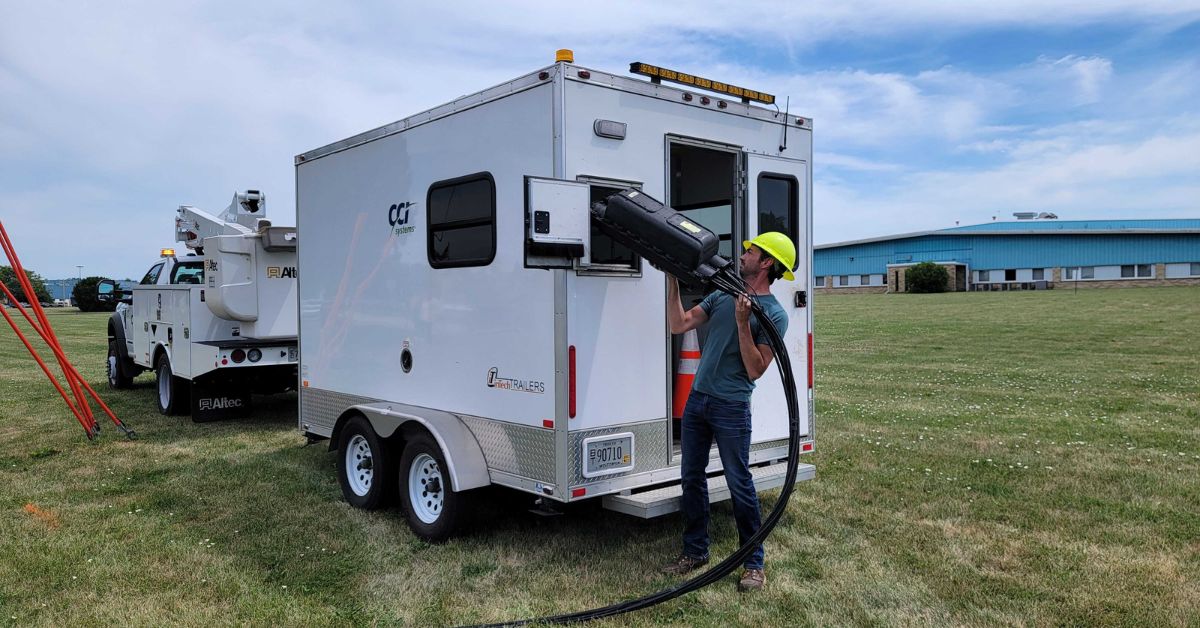
Telecommunications infrastructure demands precision, speed, and reliability. As network density increases and fiber deployment projects expand into more rugged and remote environments, the equipment supporting these operations must evolve. The modern mobile fiber splice trailer is a critical asset that directly influences the efficiency of field technicians and the integrity of the network.
Understanding the essential features of these trailers helps project managers and fleet operators select the right equipment. High-performing trailers protect sensitive splicing instruments, ensure technician safety, and maintain productivity regardless of external conditions. Several key features of modern mobile fiber splice trailers are worth high consideration when you decide to invest in operational excellence.
Fiber optic splicing requires a controlled environment. High humidity, extreme heat, or freezing temperatures can compromise the integrity of a splice and damage sensitive fusion splicers. Modern trailers feature advanced HVAC systems designed specifically for this purpose.
These units provide consistent temperature regulation, preventing the expansion and contraction of fiber cables during the splicing process. A reliable climate control system also manages humidity levels, which is crucial for the performance of arc fusion splicers. By maintaining a stable internal environment, technicians can achieve lower splice loss and higher mechanical strength in every connection.
Technician fatigue can influence splice quality and operational speed. Leading manufacturers now design trailers with ergonomics as a priority. This includes adjustable countertops and seating that accommodate technicians of varying heights, reducing strain during long shifts.
The layout typically maximizes usable workspace while keeping tools within arm’s reach. You will find designated areas for cleavers, strippers, and alcohol dispensers, which streamlines the workflow. Proper countertop height and depth allow technicians to maintain a neutral posture, minimizing the risk of repetitive strain injuries and ensuring consistent precision over thousands of splices.
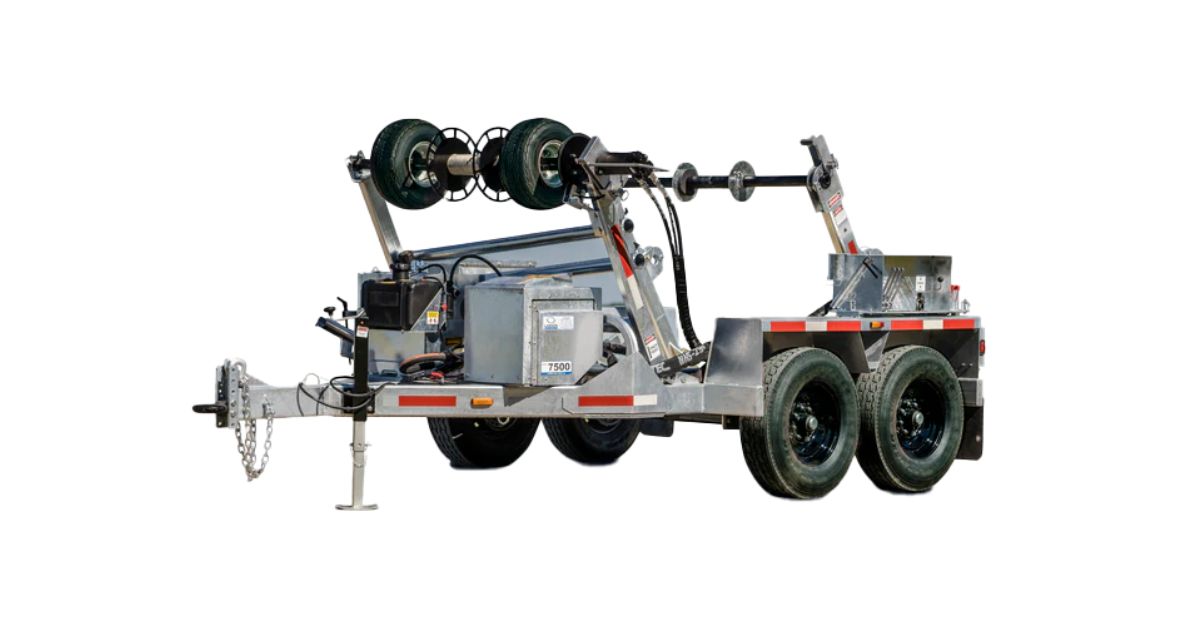
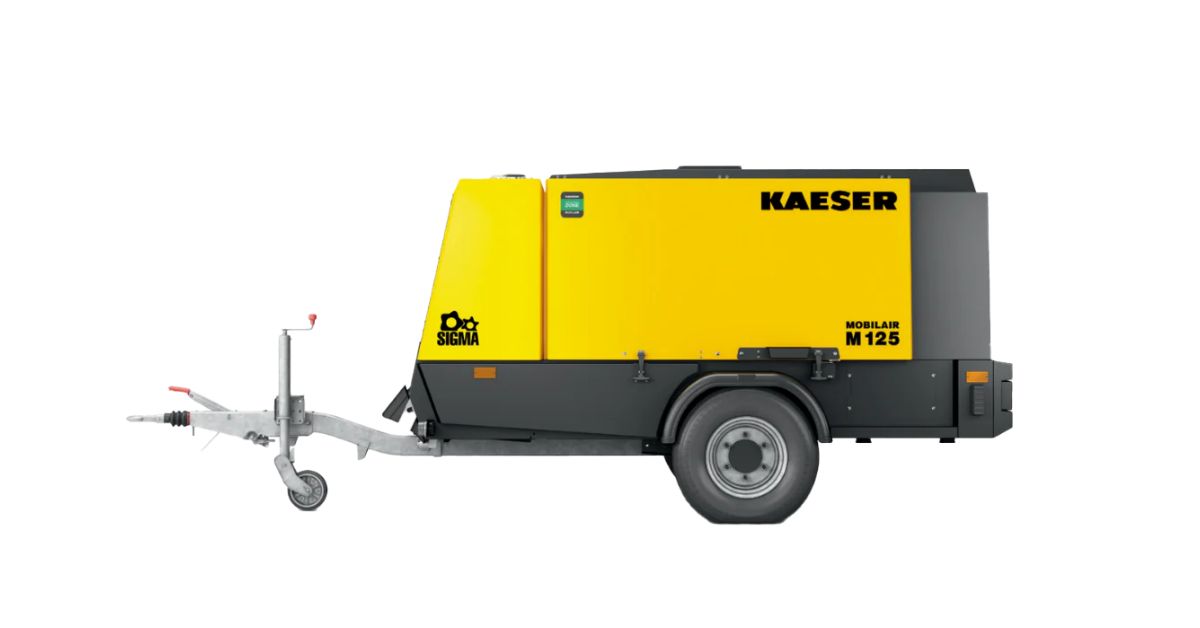
Field operations often occur far from grid power. A reliable, autonomous power supply is necessary. Modern trailers incorporate integrated generators capable of running the HVAC system, lighting, and all splicing equipment simultaneously.
Beyond the generator, battery banks and inverters provide silent operation options and buffer power fluctuations. This setup protects sensitive electronics from surges. Exterior power inlets allow the trailer to run on shore power when available, conserving generator fuel and extending maintenance intervals. The seamless transition between power sources ensures zero downtime for the splicing equipment.
Managing cable entry and exit without compromising the interior climate remains a primary design challenge. Contemporary units use specialized cable access doors, often called “mouse holes” or cable slots. These small, weather-sealed openings allow fiber cables to enter the workspace without opening the main entry door.
These access points typically feature brushes or rubber seals that close tightly around the cable jacket. This prevents dust, insects, and moisture from entering the splicing lab. The placement of these doors aligns with the internal workstations, ensuring that cable slack management remains orderly and efficient inside the trailer.
Precision work requires exceptional visibility. Standard overhead lighting often casts shadows that interfere with the delicate process of aligning fiber cores. Modern trailers address this with strategic LED lighting plans.
You will find high-intensity, shadow-free illumination positioned directly over the splicing table. Additionally, exterior scene lighting allows technicians to safely manage cable slack and setup tasks during night operations. The energy efficiency of LED technology also reduces the load on the generator or battery system, extending the operational runtime of the unit.
The sensitive nature of fusion splicers and OTDR (Optical Time Domain Reflectors) requires protection from road vibration. A standard utility trailer suspension transfers too much shock to the interior contents. High-quality fiber splicing trailers use torsion axles or specialized suspension systems that dampen road impact.
The chassis construction often involves heavy-duty steel or aluminum to withstand off-road conditions common in rural broadband deployment. Optimized ground clearance navigates uneven terrain without bottoming out, ensuring the trailer reaches the splice point, whether it’s a suburban street or a remote utility easement.
Efficiency drops when a technician must search for tools or consumables. Modern trailers maximize internal volume with custom cabinetry and shelving. These storage solutions secure equipment during transit and organize splice trays, closure kits, and cleaning supplies.
Lockable cabinets protect expensive test equipment. Open shelving with raised lips keeps frequent-use items accessible but secure. Some units even feature external storage compartments for generator fuel, cones, and signage, keeping hazardous or dirty items separate from the clean splicing environment.
The surface on which splicing occurs matters. The industry standard shifted toward chemical-resistant, nonporous laminate or stainless steel countertops. These surfaces resist damage from fiber shards and cleaning solvents like isopropyl alcohol.
A white or light-colored countertop provides the necessary visual contrast for handling individual fiber strands, which are essentially the width of a human hair. The durability of these surfaces ensures the workspace remains clean and professional, preventing contamination that could degrade signal transmission.
Safety standards in the telecommunications industry are rigorous. A modern fiber optic splicing trailer must include carbon monoxide detectors, smoke alarms, and proper ventilation. Because generators often mount on the tongue or within the trailer structure, exhaust management is critical.
Active ventilation systems cycle air to prevent the buildup of fumes from cleaning solvents or heating elements. Emergency egress windows and fire extinguishers are standard requirements. These features ensure compliance with OSHA regulations and protect the most valuable asset on the job site: the technician.
The modern job site is digital. Field technicians need real-time access to network designs, GIS data, and work orders. Consequently, many trailers now serve as mobile hotspots.
Integrated LTE/5G modems and external high-gain antennas ensure reliable internet connectivity even in fringe coverage areas. This connectivity allows technicians to upload OTDR traces and close out packages immediately upon completion. It facilitates remote troubleshooting support and promises the as-built documentation matches the physical network reality.
Selecting a trailer with these features is an investment in network quality. The right equipment minimizes environmental variables, protects sensitive machinery, and empowers technicians to perform at their best.
By prioritizing climate control, power stability, and ergonomic design, fleet operators reduce rework rates and accelerate project timelines. In the competitive landscape of fiber deployment, the efficiency gained from these features in a modern mobile fiber splice trailer provides a distinct operational advantage. Ready to upgrade your equipment? Connect with Millennium Broadband Solutions to learn more about our rentable or leasable fiber splicing trailers.

ABSTRAP Spacer, Stackable, 1/2″ Cable Spacer, Std Pack Qty. 100, Priced per Ea