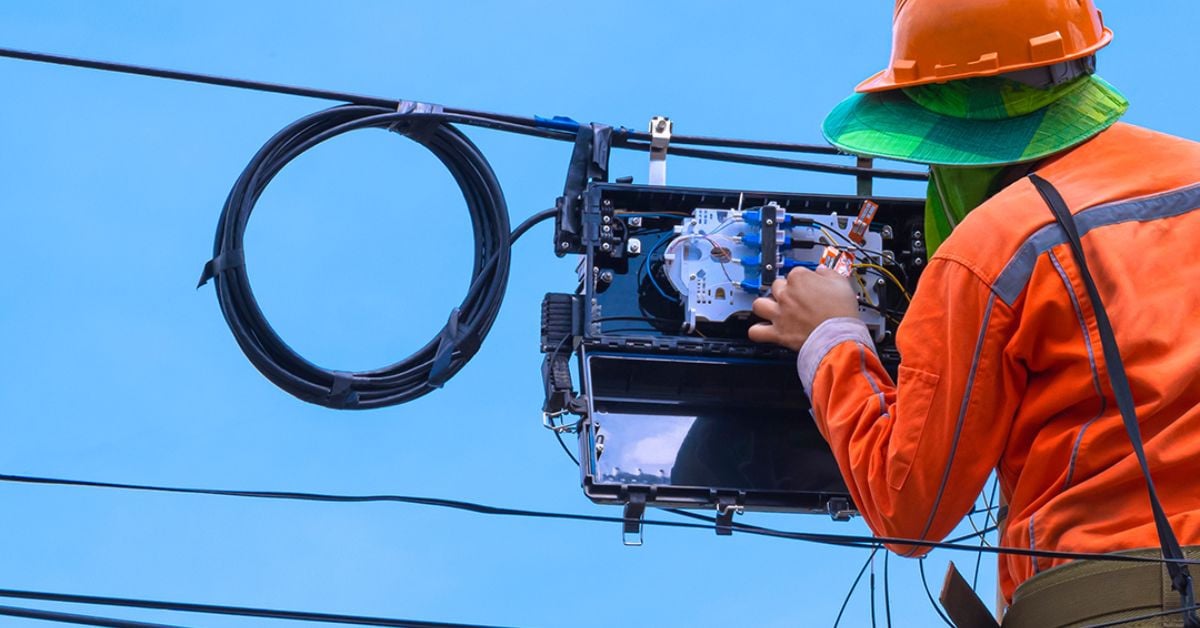
Expanding broadband access into rural areas presents unique environmental and logistical challenges. Unlike urban deployments, rural networks often traverse long distances through rugged terrain, exposing infrastructure to harsh weather and physical stress. At the heart of these networks, fiber optic splice enclosures serve a critical function: protecting the delicate connections that maintain network integrity and ensure uninterrupted connectivity for underserved communities. Selecting the right enclosure involves a strategic decision that affects network longevity, maintenance costs, and overall performance. The features of a splice enclosure must align with the specific demands of a rural environment, where technician access are infrequent and the cost of repairs is high. Therefore, understanding the key characteristics of a high-quality enclosure is essential for contractors and ISPs aiming to build resilient and future-proof networks. We’re discussing the key features to look for in rural fiber splice enclosures for optimal deployments. Examining these attributes will help you make informed decisions, streamline installations, and safeguard your network investment for years to come.
Durability in Harsh Environmental Conditions
Rural installations expose network components to a wide range of environmental threats, from extreme temperatures and UV radiation to moisture and wildlife. A robust enclosure must be constructed from high-impact, weather-resistant materials like industrial-grade thermoplastics. Look for enclosures with a high Ingress Protection (IP) rating, such as IP68, which certifies complete protection against dust and prolonged water immersion. This level of durability ensures that the internal fiber splices remain secure and dry, preventing signal degradation and costly service interruptions.
Flexible Cable Port Configurations
Rural networks often require a variety of cable sizes and types. A versatile splice enclosure should feature multiple cable entry ports of different diameters to accommodate main distribution cables and smaller drop cables. Some designs offer interchangeable port seals or grommets, allowing technicians to customize the enclosure for specific cable requirements on-site. This flexibility simplifies inventory management and ensures a tight, secure seal for every connection, which is vital for maintaining environmental protection.
Sufficient Splice Tray Capacity and Management
As networks grow, so does the need for additional splices. An effective rural enclosure must provide ample capacity for current and future needs. Evaluate the number of splice trays the enclosure can hold and the total splice capacity of each tray. Equally important is the design of the fiber management system within the enclosure. Proper routing guides, bend radius protectors, and slack storage baskets prevent fiber kinking and macro-bending, which can compromise signal integrity. A well-organized interior simplifies initial installation and subsequent maintenance.
 Ease of Installation and Re-Entry
In rural areas, technician travel time is a significant operational cost. Enclosures designed for quick and straightforward installation can dramatically reduce labor expenses. Features to look for include:
- Toolless or minimal-tool entry systems
- Intuitive cable sealing mechanisms
- Clearly marked trays and routing paths
A re-enterable design is also critical. Technicians should be able to open and reseal the enclosure multiple times without compromising its environmental seals. This allows for efficient network maintenance, upgrades, and repairs while protecting the internal components from exposure.
Secure and Tamper-Resistant Locking Mechanisms
Physical security is paramount, especially in remote and unmonitored locations. A reliable fiber optic splice case should incorporate robust, tamper-resistant locking mechanisms to prevent unauthorized access. This may include specialized bolts, pad-lockable latches, or other security features. Protecting the enclosure from vandalism or tampering safeguards the network’s physical integrity and prevents service disruptions that could impact entire communities.
Versatile Mounting Options for Diverse Terrains
Rural deployments often involves aerial, pedestal, wall-mount, or direct-buried applications. The ideal splice enclosure will support multiple mounting configurations. Look for enclosures that come with compatible mounting hardware for poles, walls, and strands. For underground installations, ensure the enclosure is rated for direct burial and can withstand soil pressure and moisture. This versatility allows tech to use single enclosure models across different parts of the network, simplifying logistics and procurement.
Support for Various Splicing Technologies
While single-fiber fusion splicing is common, rural networks may also use mass fusion splicing or mechanical splices. A well-designed enclosure will accommodate different splice protection sleeves and holders, giving technicians the flexibility to use the most appropriate technology for the job. This adaptability ensures the enclosure can support evolving network standards and splicing techniques.

Long-Term Material Stability and UV Resistance
Sunlight can degrade plastic materials over time, leading to brittleness and cracks that compromise an enclosure’s seal. For aerial or pedestal-mounted enclosures, UV resistance is a nonnegotiable feature. Choose enclosures made from materials specifically formulated with UV inhibitors to withstand years of direct sun exposure without degrading. This ensures the enclosure maintains its structural integrity and protective qualities throughout its service life.
Proper Grounding and Bonding Capabilities
Proper grounding is important to protect the network and personnel from electrical surges caused by lightning or power line faults. The enclosure must provide integrated hardware for bonding the metallic strength members of fiber optic cables and for connecting to the site’s grounding system. A reliable grounding and bonding system diverts dangerous electrical currents away from the sensitive fiber components, preserving network reliability.
Scalability for Future Network Growth
A rural fiber network is a long-term investment. The enclosures you deploy today must be able to support the network of tomorrow. Select enclosures with sufficient internal space and splice capacity to handle future expansion. Some models offer modular designs, allowing for the addition of more splice trays or cable ports as subscriber counts increase. Planning for scalability from the outset prevents the need for costly "rip and replace" scenarios down the line.
Your Partner in Rural Broadband Deployment
Millennium Broadband Solutions facilitates strong rural networks with high-quality fiber optic splice enclosures designed to meet various deployment demands. We provide durable, weather-resistant splice cases designed to meet the diverse needs of each rural project. From underground to aerial applications, our fiber optic enclosures deliver reliable performance for uninterrupted connectivity. Committed to bridging the digital divide, Millennium partners with Tier 2 and 3 ISPs and their contractors to address the unique requirements of rural and underserved areas. Our knowledge in fiber management can streamline your installations, reduce downtime, and safeguard network integrity. We provide reliable fiber optic splice enclosures for seamless network expansion.