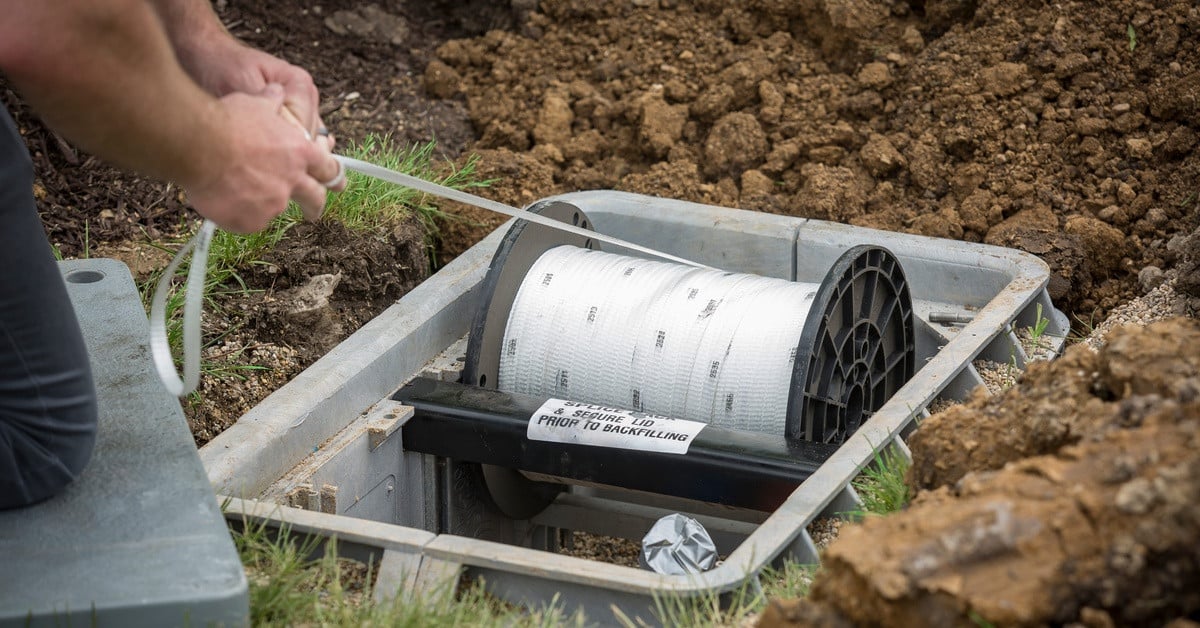
Broadband crews make important decisions before every underground or inside-plant cable pull. One of the most practical choices involves whether to hand pull cable or use a cable pulling machine. The right method affects labor, speed, safety, cable protection, and overall project cost. For contractors and ISPs, that decision can shape how efficiently a fiber build moves from planning to activation.
Millennium Broadband Solutions supports broadband infrastructure projects with the materials, equipment, rentals, and guidance teams need to move confidently. We work closely with ISPs, contractors, installers, telecommunications teams, and construction crews across the United States. Many of these teams build networks in rural areas, new construction zones, and underserved communities. The right pulling method helps crews stay productive while protecting valuable fiber assets. We’ve created this comparison between hand pulling cable vs. cable pulling machines to help you make a more informed decision.
The Two Cable Pulling Methods
Hand pulling cable relies on crew strength, coordination, and basic pulling accessories. Teams often use this method for shorter runs, lighter cable, or routes with limited resistance. It can work well when crews have clear access, manageable distances, and simple conduit paths. However, it becomes less efficient when friction, distance, or cable weight increases.
Cable pulling machines use controlled mechanical force to move cable through conduit or pathway systems. These machines help crews manage longer pulls, heavier cable, and more demanding routes. Many models allow operators to control tension and maintain steadier pulling force. That control can reduce stress on the cable and improve consistency across the job.
When Hand Pulling Cable Makes Sense
Hand pulling works best in simple, short-distance applications. A crew may choose it for small service drops, short conduit runs, or low-friction pathway sections. This method also helps when access limits machine placement or when setup time would outweigh machine benefits. In the right situation, hand pulling can keep work simple and efficient.
Hand pulling also gives crews flexibility in tight work areas. Technicians can adjust quickly when working around obstacles, corners, or small access points. They can feel changes in resistance and pause when something seems wrong. That direct feedback can prevent damage when crews communicate well and move carefully.

Where Hand Pulling Starts to Fall Short
Hand pulling becomes less practical as distance, cable size, and route complexity increase. Longer pulls create more friction between the cable jacket and conduit wall. More bends add resistance and make consistent force harder to maintain. When crews rely only on physical effort, fatigue can quickly reduce quality and productivity.
Fatigue also increases the risk of mistakes. A tired crew may pull unevenly, exceed safe handling practices, or miss warning signs during the pull. Sudden jerks can place unnecessary stress on cable and pathway components. Such risks can lead to jacket damage, fiber stress, failed tests, and costly rework.
The Advantages of Cable Pulling Machines
Cable pulling machines help crews apply steady force throughout the pulling process. This consistency matters because fiber cable requires careful handling and controlled tension. Machines reduce strain on workers while improving speed on demanding pulls. They also support repeatable results when multiple crews work across a larger deployment.
Machines can also improve jobsite planning. Crews can match pulling equipment to conduit length, cable type, and expected resistance. They can use tension monitoring features when available to stay within cable limits. This approach gives supervisors more control over quality and schedule performance.
Safety and Labor Considerations
Crew safety should guide every cable pulling decision. Hand pulling can place significant strain on backs, shoulders, hands, and legs. Repetitive pulling motions and awkward positions can increase injury risk. Cable pulling machines reduce physical strain by shifting much of the load to equipment.
Labor planning also changes when crews use machines. A hand pull may require more people to create enough pulling force and manage cable feed. A machine-assisted pull can reduce manual effort and help smaller teams complete larger tasks. This efficiency can matter during rural broadband builds where crews cover wide service areas and tight schedules.
Cable Protection and Pull Quality
Fiber cable performance depends on careful handling from delivery through installation. Excessive pulling force, sharp bends, and poor coordination can damage cable even before activation. Hand pulling requires strong communication to avoid uneven force and sudden movements. Cable pulling machines help crews create smoother pulls when they set up the route correctly.
Crews still need proper technique when using machines. Equipment cannot fix poor pathway preparation, missing lubricant, or ignored bend radius limits. Teams should inspect conduit, confirm route conditions, and use the right accessories before pulling begins. Better preparation protects cable and helps every pulling method perform more effectively.
Cost Comparison: Manual Labor vs. Equipment Support
Hand pulling can look less expensive because it requires fewer machines. That initial view doesn’t always reflect total project cost. Extra labor hours, slower progress, injuries, failed pulls, and cable replacement can add hidden expenses. Contractors should compare total risk and productivity, not just equipment cost.
Machine-assisted pulling can improve cost control in larger or more complex jobs. Crews can complete pulls faster and reduce the chance of damage when they follow proper procedures. Renting equipment also helps contractors avoid large capital purchases for tools they may not need every day. Millennium helps teams access cable pulling equipment rental options that align with project demands, budgets, and timelines.

Choosing the Right Method for the Job
The best pulling method depends on project conditions, not preference alone. Crews should evaluate distance, conduit fill, cable weight, bend count, jobsite access, and crew availability. They should also review cable manufacturer limits before selecting a pulling approach. These factors can prevent underestimating the job.
Before deciding, teams should consider the following factors:
- Pull length and total pathway distance.
- Number and severity of bends.
- Cable size, weight, and construction.
- Conduit condition and fill ratio.
- Available crew size and experience.
- Access for machine setup.
- Pulling tension limits.
- Schedule pressure and production goals.
How Millennium Supports Broadband Crews
Millennium Broadband Solutions understands that broadband construction requires more than basic materials. Crews need access to the right equipment, reliable supply, and practical guidance from people who understand field conditions. Millennium supports contractors and ISPs with equipment rentals, broadband materials, storage options, and infrastructure support. A full-service approach like ours helps teams reduce delays and keep projects moving.
We serve teams that build rural networks, upgrade aging systems, and support new construction developments. These projects often require smart planning because jobsite conditions can change quickly. Millennium helps teams match tools and materials to real deployment needs. Partner with us today to compare hand pulling vs. cable pulling machines and explore our rental options to keep your project moving.