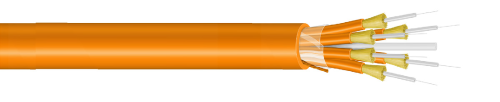
Tight buffer cables play a major role in broadband deployments because they support flexibility, durability, and easier indoor handling. Installers often use these cables in data centers, enterprise buildings, splice locations, and short-distance backbone connections. Even with their durability, these cables still demand careful handling during installation. Poor bend management can damage fiber strands and shorten network lifespan.
Millennium Broadband Solutions helps contractors and ISPs avoid costly installation problems by supporting every phase of the network build. Our team provides expert guidance, reliable materials, and deployment support that keeps projects moving efficiently. With nationwide support and broadband expertise, Millennium helps teams complete projects with greater confidence. We’re briefly discussing calculating bend radius for tight buffer cables and why this measurement matters.

Understanding Tight Buffer Cable Construction
Tight buffer cables contain coated optical fibers surrounded by protective buffer material that strengthens the cable structure. Manufacturers design these cables for indoor environments because they offer flexibility and easy connector termination. Unlike loose tube cables, tight buffer designs keep fibers closer to the protective jacket. This structure simplifies handling during installations inside buildings and equipment rooms.
Installers frequently route these cables through conduits, raceways, patch panels, and wall penetrations. These pathways often require multiple turns and directional changes throughout the installation process. Every turn introduces potential stress if technicians exceed the cable’s minimum bend radius. Understanding cable construction helps crews calculate safe bending limits before installation begins.
Cable manufacturers typically publish bend radius specifications in product documentation. These specifications usually separate loaded and unloaded conditions because pulling tension changes cable stress levels. Installers should always verify the manufacturer’s recommendations before beginning deployment. Following these specifications protects installation quality and warranty compliance.
How Bend Radius Affects Fiber Performance
Fiber optic cables transmit light signals through extremely thin strands of glass. Sharp bends disrupt light transmission because they force the signal to escape through the fiber walls. This signal leakage increases attenuation and reduces overall network efficiency. Severe bending can also create permanent microfractures that compromise cable integrity.
Signal degradation becomes more noticeable in high-bandwidth broadband applications. Modern networks support streaming, cloud computing, remote work, and smart infrastructure systems that demand stable connectivity. Poor bend management introduces unpredictable performance issues that become difficult to troubleshoot later. Preventing excessive bends during installation saves significant maintenance costs over the life of the network.
Furthermore, technicians must consider environmental conditions when calculating bend radius for tight buffer cables. Temperature fluctuations, cable weight, and conduit congestion can increase cable stress after installation. A cable that appears stable during deployment may develop long-term problems if crews ignore proper bend limitations. Smart installation practices improve performance and long-term durability.
Common Installation Areas That Create Bend Problems
Broadband projects often include tight spaces that challenge proper cable routing. Telecommunications rooms, cabinets, vaults, and conduit transitions frequently create difficult bend conditions. Installers sometimes rush through these areas to stay on schedule, increasing the risk of improper cable handling. Careful planning prevents avoidable installation errors.
Several high-risk installation points deserve extra attention:
- Entry points into buildings and cabinets.
- Cable trays with sharp directional changes.
- Conduit exits and pull box transitions.
- Patch panel routing inside network rooms.
- Temporary storage during installation staging.
These areas place additional stress on tight buffer cables because installers work within confined spaces. Using proper cable supports and routing accessories improves cable management significantly. Technicians should also maintain consistent slack management throughout the installation process. Organized routing reduces strain while improving future maintenance access.
The Difference Between Static and Dynamic Bend Radius
Static bend radius refers to the cable’s condition after installation finishes. At this stage, the cable remains stationary and experiences minimal movement or pulling stress. Static calculations can determine safe long-term routing configurations within buildings and equipment areas. Most indoor tight buffer cable installations rely heavily on static bend requirements.
Dynamic bend radius applies during active cable pulling and placement operations. During installation, cables experience higher tension levels that increase internal stress. Installers must use larger bend radius allowances while pulling cables through conduits and pathways. Ignoring dynamic limits creates a higher risk of immediate fiber damage.
Contractors who understand conditions improve installation quality dramatically. They can plan routes that protect the cable during deployment and throughout the network lifecycle. Experienced crews also use proper pulling equipment to minimize excessive tension during installation. These practices help broadband projects stay on schedule while reducing costly repairs.

Best Practices for Managing Bend Radius in the Field
Field crews can prevent many bend-related issues by following consistent installation procedures. Successful broadband deployments depend on planning, communication, and proper equipment usage throughout the project. Small adjustments during installation often prevent major performance problems later. Teams that prioritize cable handling standards deliver more reliable network results.
Several best practices improve bend radius management during installations:
- Verify manufacturer bend radius specifications before deployment.
- Use cable rollers and supports during pulling operations.
- Avoid overcrowding conduits and cable trays.
- Maintain proper slack loops without tight wrapping.
- Train crews on fiber handling procedures regularly.
- Inspect bends before final network activation.
These practices reduce stress on tight buffer cables while improving installation efficiency. Organized workflows also help crews complete projects with fewer delays and troubleshooting visits. Broadband networks require precision at every stage of construction. Strong installation standards protect project timelines and long-term network performance.
Supporting Reliable Broadband Infrastructure
Broadband expansion continues to grow across rural communities, municipalities, and commercial developments throughout the United States. These projects require experienced partners who understand the technical demands of modern fiber deployments. Millennium supports these efforts by helping contractors secure materials, equipment, and operational guidance from a single trusted source. Our nationwide capabilities simplify complex deployments while keeping projects moving efficiently.
Experienced contractors also recognize the value of professional planning resources during large-scale deployments. Millennium’s fiber network design services help teams evaluate infrastructure requirements, optimize routing strategies, and improve long-term scalability.
Combining strong planning with proper cable handling practices creates more durable and efficient broadband networks. Together, these strategies help providers deliver dependable connectivity to the communities and businesses that rely on it every day. For more information on our services and specialties, review our other resources and detailed information.