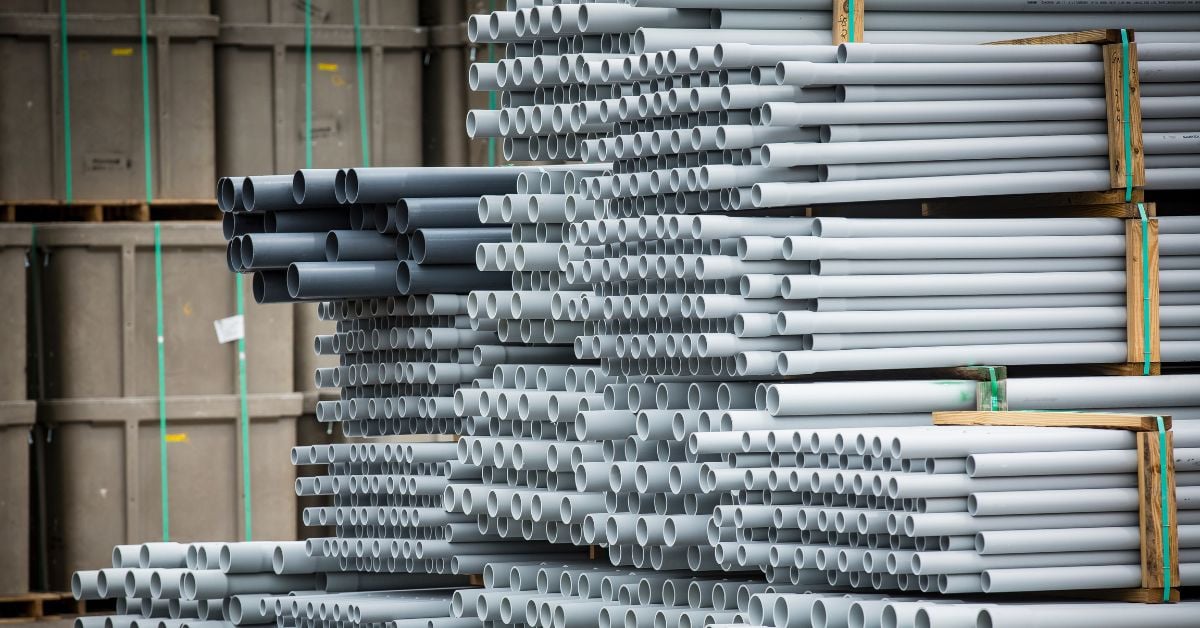
Protecting existing fiber optic cables is a critical maintenance task for telecommunication networks. Exposed fiber drops are vulnerable to environmental damage, rodent chewing, and accidental cuts from landscaping equipment. Split PVC conduit offers a practical solution for retrofitting protection onto cables that are already connected and live. Unlike standard conduit, which requires threading the cable through from one end, split conduit features a longitudinal cut that allows installation around the cable without disconnecting service. Installing split PVC conduit for existing fiber drops can support the installation process from start to end-user functionality.
Assess the Fiber Drop Condition
Before installation begins, inspect the existing fiber drop. Look for any signs of damage to the cable jacket, such as cracks, abrasions, or kinks. If the fiber cable itself is compromised, installing conduit over it may hide the problem rather than solve it. Repair any existing damage before proceeding. Measure the diameter of the fiber drop to make sure the chosen split PVC conduit size is appropriate. The conduit must be large enough to accommodate the cable loosely without pinching, but small enough to provide structural support. Most residential fiber drops fit within 1/2 inch or 3/4 inch conduit, but verifying the outer diameter is essential.
Select the Correct Split Conduit Type
Not all split conduit is equal. Some varieties use a simple slit, while others feature an interlocking or shiplap design to prevent the seam from opening. For fiber drops, interlocking split conduit is superior because it resists soil pressure and keeps the cable fully enclosed. Standard corrugated split loom is often too flexible and provides minimal crush resistance compared to rigid PVC split conduit. Make sure the chosen material is UV-rated if any portion of the installation will be above ground. This prevents the PVC from becoming brittle and cracking under sunlight exposure over time.

Prepare the Installation Path
Clear the path along the fiber drop where the conduit will sit. For underground drops, this typically involves trenching or digging a shallow channel alongside the cable. Since the cable is already in the ground, use extreme caution. Hand digging is the safest method to avoid severing the line. Excavate enough soil to place the conduit at the desired depth, usually 6 to 12 inches for residential drops, depending on local codes and frost lines. Remove rocks, roots, or sharp debris from the trench bottom to prevent point loads on the PVC.
Measure and Cut the Conduit
Measure the length of the exposed or buried fiber drop requiring protection. Transfer this measurement to the split PVC conduit. When cutting PVC, use a fine-toothed saw or a specialized PVC cutter to ensure a clean edge. Rough edges can damage the fiber cable during installation or over time due to thermal expansion and contraction. Deburr the cut ends with a file or sandpaper. If the run is longer than a single section of conduit, prepare multiple sections. Avoid cutting the conduit while it is resting on the fiber cable to prevent accidental damage.
Insert the Fiber Cable Into the Conduit
Open the split in the PVC conduit. Rigid PVC requires a specific tool or a spreading technique to open the gap wide enough for the cable. Insert the fiber drop carefully. Work from one end to the other, ensuring the cable seats fully inside the round profile of the pipe. Do not force the conduit shut if the cable pinches the seam. The cable must move freely within the pipe. For interlocking designs, snap the two edges together firmly. You should hear or feel a distinct click as the locking mechanism engages.
Join Multiple Conduit Sections
Longer fiber drops require joining multiple lengths of conduit. Standard PVC couplings do not work on split conduit because they cannot slide over the connected cable. Instead, use split couplings designed specifically for the split conduit system. These fittings snap over the two abutting conduit ends. Apply a PVC solvent cement to the coupling interfaces if a permanent, water-resistant seal is required but be careful not to get glue on the fiber cable itself. Alternatively, wrap the joints with heavy-duty vinyl tape or self-fusing rubber tape to keep soil and moisture out while maintaining mechanical alignment.

Secure the Conduit at the Building Entry
The transition from the ground to the building is a common failure point. Secure the split conduit to the exterior wall using appropriate pipe straps or clamps. Position the conduit so it extends slightly below the ground level to protect the cable as it exits the soil. If the fiber enters a Network Interface Device (NID) or a similar enclosure, make sure the conduit butts up flush against the bottom of the box. Use a split conduit sleeve or a split adapter fitting to anchor the conduit to the box knockout, preventing it from pulling away during ground settling.
Address Bends and Turns
Rigid PVC split conduit does not bend easily. For turns in the fiber path, use split sweep elbows. These prefabricated fittings allow for gradual 90 degree or 45 degree turns that respect the fiber’s minimum bend radius. Never force straight split PVC pipe into a tight curve, as this stresses the locking mechanism and risks kinking the fiber inside. If pre-made split sweeps are unavailable, shorter straight sections coupled together can approximate a curve, provided the angle is shallow enough.
Verify the Fiber Signal
After the physical installation is complete and the trench is filled, verify the fiber signal integrity. While the split conduit installation is nonintrusive, the manipulation of the cable carries a slight risk of macro-bending or stress. Check the optical network terminal (ONT) inside the premise for appropriate light levels or alarm lights. If you have an optical power meter (OPM), measure the signal strength and compare it to pre-installation levels. A significant drop in power indicates a pinch point or a tight bend within the new conduit run.
Maintain Documented Records
Record the location and depth of the newly protected fiber drop. Accurate mapping prevents future damage during landscaping or utility work. Note the type of conduit used and the date of installation. Digital photos of the open trench showing the conduit placement relative to fixed landmarks—such as the building corner or a fence post—are invaluable. Store these records in the plant maintenance database or the customer premise file. Partner with Millennium Broadband Solutions when you need to install split PVC conduit for existing fiber drops. Our selection of split PVC is vast and varied, ensuring you have access to the proper supplies and equipment.