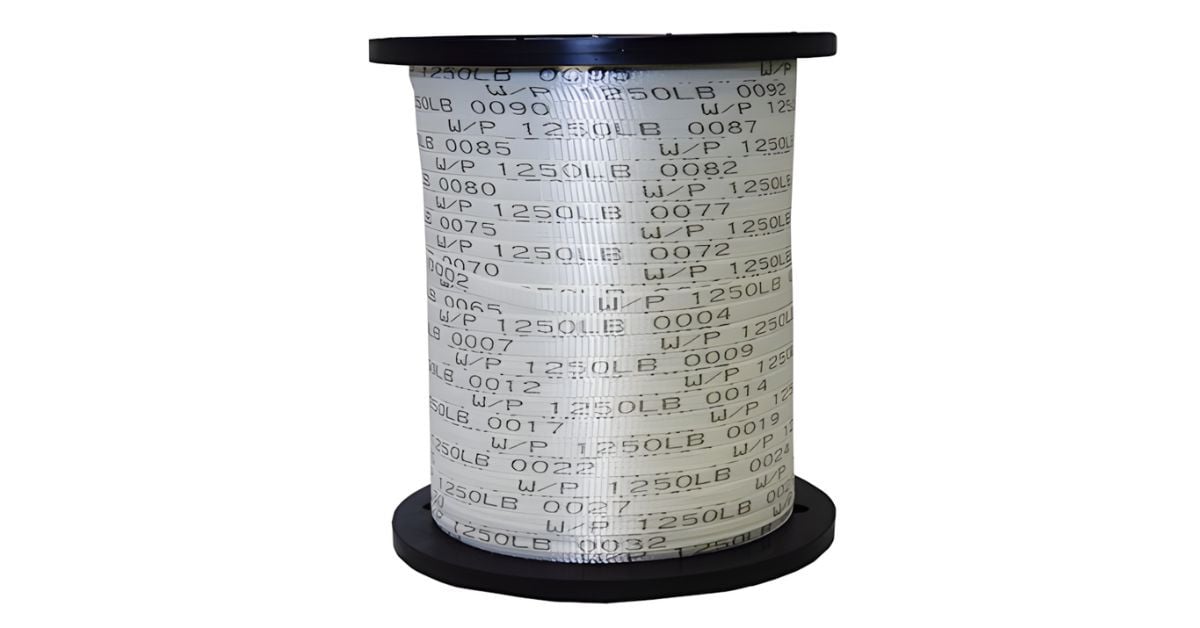
Installing fiber optic or electrical cables requires precision, planning, and the right equipment. Among the most critical components in this process is pull tape. While it might seem like a simple accessory, selecting the incorrect tensile strength can lead to snapped lines, damaged cables, and significant project delays. Understanding the variables that influence tension during a pull ensures you select a tape capable of handling the load without failure. Choosing the right strength for your conduit pull tape plays an important role in contract reliability—let’s explore the details below.
Calculate the Total Weight of the Cable
The first step in determining the necessary strength of your pull tape involves calculating the total weight of the cable you intend to install. This is the baseline figure from which all other calculations derive. You must know the weight per foot of the cable and multiply that by the total length of the run. For example, if a cable weighs 0.5 pounds per foot and the run is 1,000 feet, the dead weight is 500 pounds. However, this number represents the weight of the cable in a static state. During installation, the force required to move that cable through a conduit will likely exceed this static weight due to friction and sidewall pressure. Therefore, the pull tape must possess a tensile strength significantly higher than the total weight of the cable.
Assess the Coefficient of Friction
Friction plays a massive role in increasing the tension required to pull a cable. The coefficient of friction depends on the materials involved—specifically the outer jacket of the cable and the inner wall of the conduit. Different material combinations interact differently. For instance, pulling a PVC-jacketed cable through a PVC conduit generates a specific amount of resistance. If the conduit is rough, dirty, or corrugated, friction increases. Lubricants significantly reduce this coefficient, but you must factor in the worst-case scenario where lubrication might displace or dry out during long pulls. A higher coefficient of friction necessitates a stronger pull tape to overcome the resistance without snapping.
Account for Conduit Fill Ratio
The conduit fill ratio refers to the amount of cross-sectional area the cable occupies within the conduit. As the fill ratio increases, the clearance between the cable and the conduit wall decreases. Tighter clearances lead to increased drag and a higher likelihood of the cable jamming or twisting. The National Electrical Code (NEC) provides specific guidelines on maximum fill ratios to prevent damage. When working near the maximum allowable fill, the tension required to pull the line increases. In these scenarios, you should consider a higher tensile strength tape to compensate for the added resistance caused by the limited space.
 Determine the Impact of Bends and Sweeps
Straight pulls are relatively straightforward, but most conduit runs involve bends, sweeps, and elevation changes. Every bend in the conduit run multiplies the tension required to pull the cable. This is known as the capstan effect. When a cable goes around a bend, the pulling tension creates sidewall pressure against the inside of the bend. This pressure increases friction exponentially rather than linearly. A 90 degree sweep requires significantly more force than a straight run of equivalent length. If your route includes multiple bends—specifically those totaling more than 180 degrees—you must calculate the cumulative tension increase and upgrade your pull tape strength accordingly.
Evaluate the Length of the Run
The conduit run length directly correlates to the potential for tape failure. Longer runs introduce more surface area for friction to act upon and increase the total weight of the cable being pulled. Additionally, longer runs allow for more elongation in the pull tape. If a tape stretches too much, it can act like a rubber band, creating a surging motion that can damage the cable or the conduit. High-strength pull tapes generally feature low-elongation properties. For runs exceeding standard lengths, selecting a tape with a high tensile rating—often double the estimated pulling tension—provides a necessary safety margin.
Consider the Condition of the Conduit
The physical condition of the conduit interior affects pulling tension. New conduit is typically smooth and clean, offering the lowest resistance. However, existing conduit in retrofit projects may present challenges. Over time, conduits deform, accumulate debris, or suffer from water intrusion. Dirt, gravel, or dried mud inside the pipe acts as an abrasive, drastically increasing friction. If you’re uncertain about the internal condition of an existing pull line for conduit, assume high resistance. In these cases, selecting a heavy-duty pull tape with a tensile strength of 1800 or 2500 pounds ensures the line won’t break if it encounters an obstruction or rough patch.
Analyze the Pulling Speed
The speed at which you pull the cable affects the tension on the tape. While it might seem efficient to pull quickly, higher speeds can generate heat and erratic tension spikes, especially at bends. Starting a pull requires overcoming static friction, which is higher than dynamic friction (friction during movement). The initial breakout force puts sudden stress on the tape. If the pulling equipment jerks or accelerates too rapidly, the sudden spike in tension can exceed the tape’s rated break strength. A stronger tape absorbs these dynamic loads more effectively than a tape rated precisely for the static load.
 Select the Appropriate Safety Factor
Engineering best practices dictate the use of a safety factor when selecting rigging and pulling equipment. Never select a pull tape with a break strength exactly equal to your calculated pulling tension. Industry standards typically recommend a safety factor of at least 1.5 to 2. This means if your calculated maximum pulling tension is 1,000 pounds, you should use a pull tape rated for at least 1,500 to 2,000 pounds. This buffer accounts for unforeseen variables, such as unexpected debris, sudden stops, or equipment calibration errors.
Review Tape Structure and Material
The construction and tensile strength of the conduit pull tape also matters. Woven polyester tapes offer different performance characteristics compared to aramid fiber tapes.
- Polyester Tape: Durable, low friction, and cost-effective. Suitable for most standard telecommunications and electrical pulls.
- Aramid (Kevlar) Tape: Extremely high strength-to-weight ratio and very low elongation. Ideal for extremely long pulls or heavy power cables.
Selecting the correct pull tape requires more than a guess; it demands a systematic evaluation of weight, friction, conduit geometry, and safety margins. By calculating the expected tension and applying a strong safety factor, you protect the valuable cable asset and ensure the project remains on schedule. Partner with Millennium Broadband Solutions for durable conduit tape perfect for all your projects and contract demands.