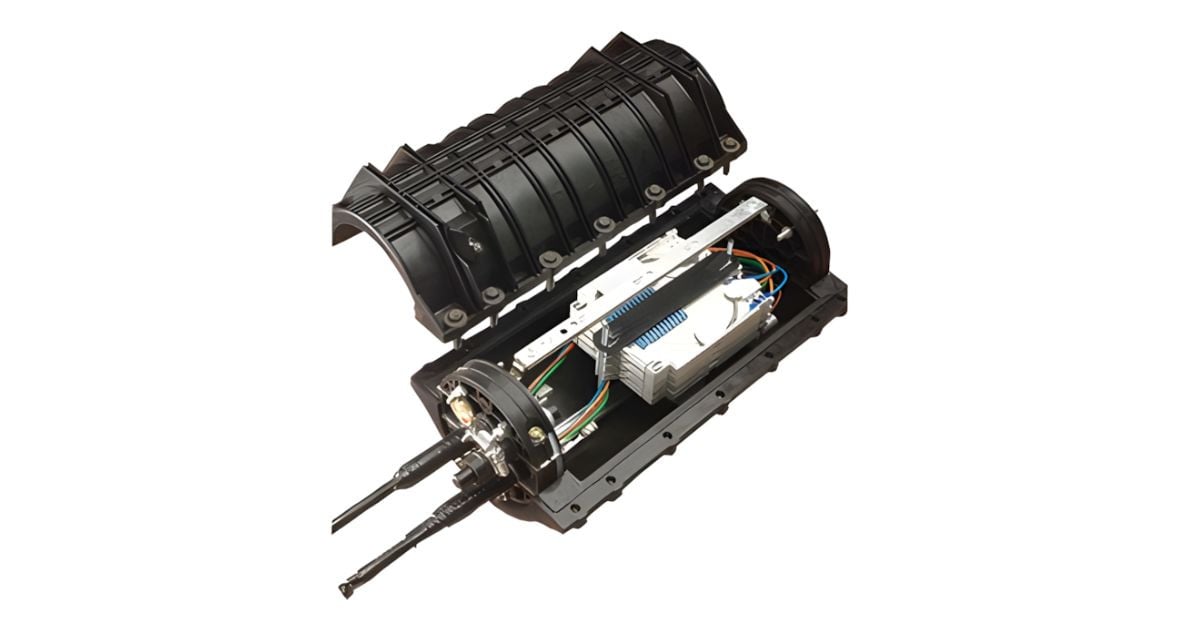
Network reliability begins at the splice point. Contractors and ISPs make critical infrastructure decisions when selecting between aerial and underground enclosures. Aerial vs. underground fiber splice closure selection has a direct impact on long-term maintenance costs, performance stability, and environmental durability. Millennium Broadband Solutions understands that rural broadband expansion demands practical, field-tested guidance backed by real construction experience. Rural America presents unique challenges for fiber deployment. Long spans, harsh weather, wildlife exposure, and varied soil conditions influence closure performance over decades. Installers and telephony contractors must weigh accessibility against protection when designing outside plant networks. The right decision protects splices, controls costs, and reduces future service disruptions. Let’s take a comprehensive look at the two options so that technicians can make the most appropriate decision.
Understanding the Role of a Fiber Splice Closure
A splice closure protects fiber connections from environmental exposure and mechanical stress. Technicians rely on closures to seal, organize, and secure spliced fibers in outside plant environments. Each closure must defend against moisture, temperature shifts, UV radiation, and physical strain. Proper selection prevents signal loss and preserves long-term network integrity. Engineers design closures for specific installation environments. Some models support aerial strand mounting, while others withstand direct burial or vault placement. Installers must match the closure’s sealing method and structural rating to site conditions. Poor selection increases maintenance visits and elevates lifecycle costs.
Key Differences Between Aerial and Underground Installations
Aerial installations suspend closures on messenger wire or lashed cable systems. These deployments expose equipment to wind, ice loading, temperature swings, and UV radiation. Underground installations place closures in handholes, vaults, or direct-buried trenches. Soil composition, groundwater presence, and freeze-thaw cycles define underground risks. Aerial systems offer easier visual inspection and faster access for repairs. Underground systems provide natural protection from storm damage and vehicular impact. Contractors must evaluate environmental exposure levels and service accessibility requirements before committing to either method. Each approach offers advantages depending on terrain and network design.
Environmental Exposure and Weather Considerations
Weather plays a defining role in aerial vs. underground fiber splice closure selection. Aerial closures endure direct sun exposure, wind vibration, and ice accumulation. Installers must verify UV-resistant housings and secure mounting hardware for overhead deployments. Wind-induced cable movement can stress poorly supported closures over time. Underground closures face moisture intrusion risks and soil pressure. High water tables and flood-prone areas require superior gasket systems and sturdy sealing technology. Freeze-thaw cycles can shift soil and stress cable entry ports. Contractors must analyze climate data and seasonal patterns before selecting enclosure types.

Accessibility, Maintenance, and Operational Efficiency
Maintenance access influences total cost of ownership. Technicians can reach aerial closures quickly using bucket trucks or climbing equipment. Visual inspections occur without excavation or confined-space entry. This accessibility supports faster troubleshooting during outages. Underground closures require vault access or excavation for direct-buried systems. Crews may need traffic control, trenching equipment, or pumping in wet conditions. However, underground placement reduces storm-related service calls in hurricane- or tornado-prone regions. ISPs must balance routine access convenience against long-term environmental protection.
Load Capacity and Fiber Count Requirements
Network expansion planning shapes closure selection decisions. Rural broadband deployments often begin with modest fiber counts but scale rapidly with grant funding and subscriber growth. Aerial closures typically support mid-span access and incremental expansion along pole lines. Underground closures often accommodate larger fiber counts within structured vault systems. Engineers must account for splice tray capacity, cable diameter range, and slack storage. Future overbuilds or feeder upgrades require sufficient internal space. Selecting an undersized closure forces premature replacement and increases labor costs. Forward-thinking design protects capital investment and service reliability.
Cost Factors Across Deployment Scenarios
Cost analysis must extend beyond initial material pricing. Aerial installations often reduce trenching expenses and accelerate build timelines. However, pole attachment fees can increase operational costs over time. Contractors must factor in permitting, make-ready work, and utility coordination. Underground installations demand higher upfront labor and equipment costs. Trenching, boring, and restoration increase construction budgets. Yet underground systems may reduce long-term storm repair expenses in certain climates. Accurate total cost modeling requires realistic projections over a 20 – 30 year service life.
Rural Broadband Deployment Challenges
Rural environments introduce extended spans, limited access roads, and diverse terrain. Installers often encounter rocky soil, river crossings, and agricultural land use restrictions. Aerial deployment can simplify builds across open farmland and long road corridors. Underground installation may suit town centers or high-traffic zones. Grant-funded rural broadband projects require durable, low-maintenance solutions. ISPs must meet performance benchmarks and avoid recurring repair costs. Strategic aerial vs. underground fiber splice closure selection ensures compliance with reliability standards. Millennium Broadband Solutions supports contractors who build networks designed to serve communities for generations.

Installation Best Practices for Long-Term Performance
Technicians must follow disciplined installation procedures regardless of closure type. Proper cable preparation, sealing, and strain relief determine long-term durability. Crews should document splice layouts and tray assignments for future maintenance reference. Quality control inspections should verify torque specifications and gasket alignment. When evaluating closure options, contractors should prioritize the following elements:
- Environmental sealing ratings appropriate for the installation zone.
- Adequate splice tray capacity for projected growth.
- UV resistance for aerial applications.
- Mechanical strength against soil compression or wind loading.
- Compatibility with existing cable types and diameters.
Attention to these variables reduces premature failure and service interruptions. Skilled installation teams protect network integrity through precision and documentation. Every splice location represents a long-term service commitment to subscribers.
Making the Right Selection for Your Network
Aerial vs. underground fiber splice closure selection requires a disciplined engineering approach. Project decision-makers must analyze terrain, climate, fiber count projections, and maintenance strategy. No universal solution fits every deployment scenario. Successful networks align closure selection with environmental realities and long-term growth plans. ISPs, telephony providers, and construction contractors must collaborate early in the design phase. Field assessments should guide enclosure choice rather than defaulting to habit or short-term cost savings. A well-matched fiber optic closure protects critical infrastructure and strengthens customer confidence. Millennium Broadband Solutions remains committed to helping rural America deploy resilient, scalable broadband networks built to last. Partner with Millennium for reliable equipment and gear to bring your project to fruition.