Testing plays a critical role in nearly every stage of a fiber network project, from construction and acceptance to troubleshooting and ongoing maintenance. Contractors and network operators need dependable test equipment to verify performance, identify problems, document results, and keep crews moving toward completion. Renting gives teams access to specialized tools without requiring them to purchase equipment for every project or testing requirement. Understanding the rental process helps project managers select the right equipment, prepare crews, control costs, and avoid unnecessary delays in the field. Below, Millennium explores what to expect when renting fiber optic test equipment from our team.
Why Fiber Optic Test Equipment Rentals Make Sense
Fiber testing requirements can change significantly from one project to another, which makes permanent equipment ownership less practical for some organizations. A contractor may need additional testing capacity during a large deployment, while another team may require a specialized instrument for a short maintenance project. Renting allows crews to match their equipment access to the actual scope and duration of the work. That flexibility can help organizations protect capital while maintaining access to professional testing capabilities.
Short-term demand also creates situations where renting makes more sense than purchasing another instrument that may sit unused after project completion. Contractors can increase testing capacity during busy construction periods and reduce that capacity when demand returns to normal. Network operators can also use rentals when their existing equipment needs service or when a project requires capabilities outside their regular testing procedures. These situations make fiber optic equipment rentals a practical resource for maintaining productivity without unnecessarily expanding equipment inventory.
Expect To Discuss Your Testing Requirements First
A productive rental process starts with a clear understanding of what the crew needs to test and document. Project teams should identify the network type, testing procedures, connector requirements, project duration, and expected workload before selecting equipment. They should also consider whether the project involves construction acceptance, troubleshooting, maintenance, restoration, or another testing objective. These details help an equipment specialist match the rental setup to the actual work rather than simply supplying a familiar instrument.
Testing specifications may also come from an owner, engineering firm, customer, or project contract. Crews should review those requirements before reserving equipment because different projects may require different measurements or documentation. Providing this information early reduces the chance of discovering an equipment mismatch after the shipment reaches the jobsite. Millennium works with customers to understand their scope, timeline, and budget before equipment dates and configurations move forward.

Know Which Fiber Testing Tools Your Project Requires
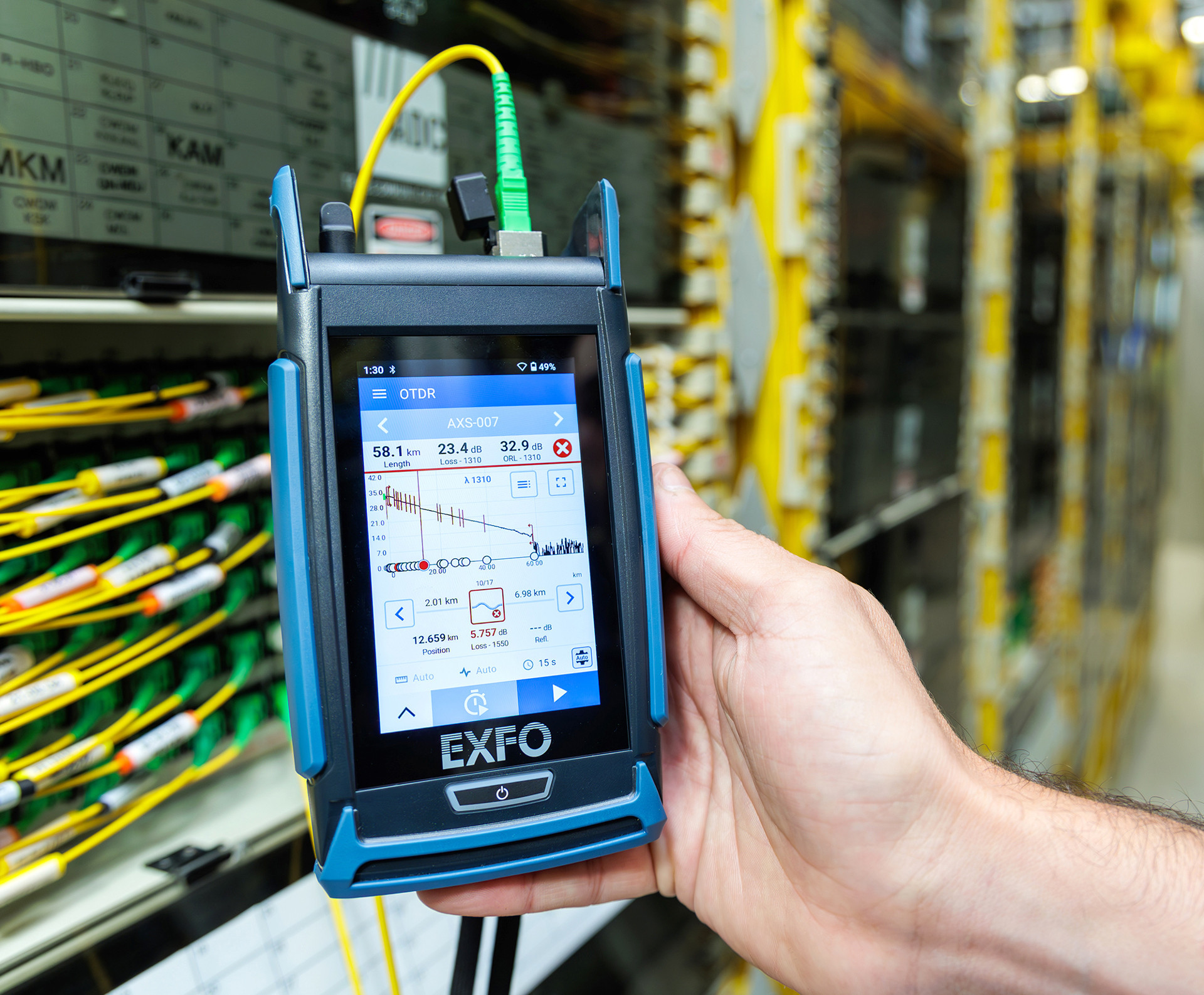
Fiber crews use several types of instruments because no single tool addresses every testing requirement. An optical time-domain reflectometer, commonly called an OTDR, helps technicians characterize a fiber link and investigate events along its length. Optical power meters and light sources support loss measurements, while other instruments can help crews inspect connectors, identify fibers, or locate visible faults. Choosing the correct combination depends on what the project specifications require crews to measure and document.
Teams should avoid selecting test equipment based only on what they used during a previous build. Fiber type, connector interfaces, wavelengths, link distances, reporting requirements, and network architecture can influence the appropriate setup. Experienced crews often know which instrument category they need, but project-specific requirements still deserve careful review. Matching the equipment to the testing plan from the beginning helps crews work efficiently once testing starts.
Before finalizing a rental, teams should confirm several practical details, such as:
- Required testing methods and measurements
- Fiber and connector types used on the project
- Appropriate wavelengths for the network
- Expected link lengths and testing environment
- Accessories needed for field operation
- Documentation and reporting requirements
- Number of crews that need testing equipment
- Rental start date and expected project duration
Prepare Crews Before Testing Begins
Even experienced technicians can benefit from reviewing an unfamiliar test instrument before beginning production work. Menu structures, test configurations, result storage, file naming, and reporting workflows can vary between equipment platforms. Teams should understand those differences before they face a full testing schedule in the field. Preparation helps technicians spend more time completing tests and less time navigating equipment settings.
Millennium includes hands-on training among the support available with its equipment solutions. Training can help crews understand the setup they receive and prepare for efficient use once work begins. Project managers should identify technicians who need instruction and coordinate that support before the testing window becomes critical. Early preparation can also create more consistent testing practices across crews working on the same deployment.
Understand the Cost and Operational Advantages
Purchasing test equipment can make sense when teams use the same instruments consistently across ongoing operations. However, ownership also requires organizations to commit capital to equipment that may not generate value every day. Specialized tools can create an especially difficult purchasing decision when a contractor needs them for only one project or occasional testing. Renting aligns equipment access more closely with periods when crews actively need the technology.
Leasing can provide another option when a team needs equipment for a longer period but wants to avoid the full upfront investment of ownership. Millennium offers rental, leasing, and financing options designed around different project requirements. Contractors and network operators can evaluate these approaches according to their deployment schedule, budget, and expected equipment usage. Choosing between renting, leasing, and owning becomes easier when teams consider total project needs instead of focusing only on the initial equipment price.
Make Equipment Returns Part of the Project Plan
Rental equipment management doesn’t end when the final test finishes. Project teams should assign responsibility for gathering equipment, checking accessories, organizing cases, and preparing the shipment for return. Clear ownership reduces the chance that a component remains in a truck, trailer, office, or temporary field location after testing concludes. A simple closeout process can prevent unnecessary confusion during an already busy project phase.
Millennium structures its process to make returns straightforward and provides a return label for the equipment. Teams should keep rental components together throughout the project whenever practical so that they can complete the return efficiently. Project managers should also coordinate the return date with the actual testing schedule instead of allowing equipment to remain onsite without a defined purpose. Treating equipment return as a planned project milestone creates a cleaner transition from testing into final documentation and closeout.

Choose a Rental Partner That Understands Fiber Projects
Millennium Broadband Solutions supports ISPs, contractors, installers, and broadband construction teams across the United States with equipment rental and leasing solutions. We focus on helping customers access field-proven equipment while matching those resources to project schedules and financial requirements. Our broader broadband infrastructure experience also gives teams access to people who understand how testing fits within network construction, maintenance, and deployment workflows. For contractors working against tight deadlines, this combination of equipment access and practical support can keep projects moving.
Talk with Millennium about your project requirements to find out more about renting fiber optic test equipment. We also offer leasing and ownership options to support your build, budget, and timeline.