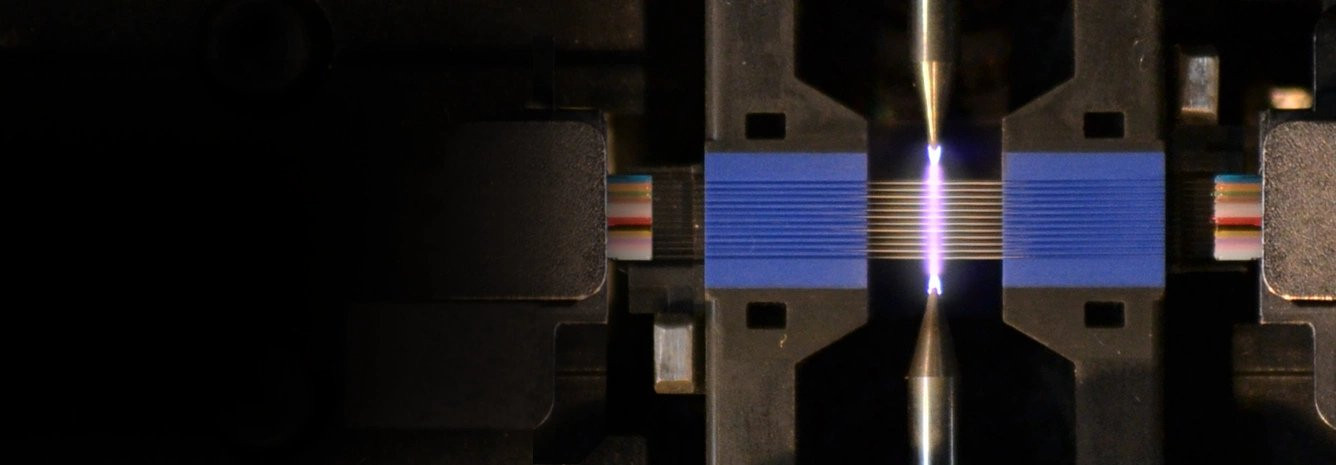
High-fiber-count network construction puts tremendous pressure on crews to complete thousands of connections accurately while maintaining an aggressive production schedule. Ribbon fusion splicers help teams meet that challenge by joining multiple fibers during a single splicing cycle instead of requiring technicians to splice every fiber individually. For large backbone routes, data-intensive networks, and broadband expansion projects, that difference can significantly change how crews plan labor and equipment needs. Renting the right ribbon splicer gives contractors access to specialized technology without forcing every project to carry the cost of permanent equipment ownership.
A rental strategy also gives project managers greater flexibility when fiber counts, crew sizes, and construction schedules change from one build to another. Contractors can match equipment to the current job rather than keeping specialized machines idle between high-count projects. Millennium Broadband Solutions supports network teams with professional fiber fusion splicing equipment and practical guidance for selecting tools that fit field requirements. We’re going into detail about renting ribbon splicers for high-fiber-count projects and why rental equipment is an excellent choice for expanding networks.
Why High-Fiber-Count Projects Change Splicing Requirements
Fiber counts can rise quickly when network designers consolidate capacity into backbone routes, feeder networks, or major distribution points. A technician working through hundreds or thousands of individual fibers must repeat preparation, alignment, fusion, protection, and organization steps throughout the project. Even experienced crews can spend substantial time completing that repetitive work when they rely exclusively on single-fiber splicing. Ribbon technology lets teams address groups of fibers together and can make high-count splice locations easier to manage efficiently.
Project managers should consider more than total fiber count when they evaluate the potential value of a ribbon splicer. Splice locations, closure configurations, cable construction, restoration requirements, crew experience, and scheduled production targets all affect equipment decisions. A project with only a few high-count closures may require a different rental plan than a long route with frequent ribbon splicing locations. Reviewing those conditions before mobilization helps teams select equipment that supports the actual workload instead of relying on assumptions.
How Ribbon Fusion Splicing Supports Faster Production
A ribbon splicer aligns and fuses multiple fibers simultaneously, which changes the production process for crews handling compatible ribbon fiber. Technicians still need to prepare fibers carefully, maintain clean working conditions, inspect components, and follow the equipment manufacturer’s procedures. However, grouping fibers reduces the number of individual fusion cycles crews must complete across a large splice plan. That advantage becomes increasingly important as crews encounter higher fiber counts and tighter construction deadlines.
Faster fusion cycles alone don’t guarantee faster project completion because preparation and organization still demand careful attention. Crews need efficient stripping, cleaning, cleaving, protection, and fiber-management practices to keep the entire workflow moving consistently. Technicians also need enough workspace and properly maintained accessories to avoid creating bottlenecks around the splicer. Project managers gain the greatest productivity benefit when they treat the ribbon splicer as one part of a coordinated field process.

When Renting Makes Sense for Ribbon Splicing
Purchasing specialized equipment can make sense for organizations that perform high-count ribbon work continuously across multiple projects. Other contractors may only encounter ribbon cable during certain builds, emergency assignments, expansions, or temporary increases in workload. In these situations, renting can align equipment access with the period when crews actually need the machine. This approach can also help companies pursue larger fiber projects without immediately adding another specialized asset to their permanent equipment inventory.
Rental access can also support contractors that need additional machines during peak construction periods. A company may already own fusion splicers but need more capacity when several crews work simultaneously or a deadline requires additional production. Using fiber splicing rentals for temporary demand can help managers equip those crews without changing their long-term ownership strategy. Millennium helps contractors evaluate equipment needs according to project requirements and timelines.
What To Check Before Renting a Ribbon Splicer
A successful rental starts with a clear understanding of the cable, fiber configuration, and expected field workflow. Teams should confirm that the machine and accompanying components support the ribbon configuration they expect to splice during the project. Contractors should also identify required accessories before mobilization so that technicians don’t discover missing components after arriving at a splice location. A detailed equipment review can prevent avoidable delays and help crews begin productive work sooner.
Before finalizing a ribbon splicer rental, project teams should review several practical requirements:
- Fiber and ribbon configuration compatibility
- Required ribbon holders and clamp sets
- Compatible cleaving equipment
- Electrode and consumable condition
- Battery capacity and charging options
- Splice protection requirements
- Cleaning and preparation supplies
- Transportation and protective cases
- Technical support availability
Such considerations can connect the equipment package to the work crews will actually perform in the field. Contractors should also discuss unusual cable designs, challenging environments, or specialized project requirements before equipment ships to the jobsite. Early communication gives the equipment provider an opportunity to identify accessories or setup considerations that crews might otherwise overlook. As such, preparation reduces downtime and keeps technicians focused on completing reliable splices instead of troubleshooting preventable equipment issues.
Why Cleaving and Fiber Preparation Still Matter
Ribbon splicing increases production potential, but it doesn’t eliminate the need for precise fiber preparation. Technicians must produce clean, consistent cleaves across the fibers because poor preparation can interfere with alignment and fusion performance. Contamination, damaged fiber, inconsistent cleave quality, or careless handling can force crews to repeat work and lose the efficiency they expected from ribbon technology. Crews should therefore treat preparation tools and procedures with the same attention they give the fusion splicer itself.
Cleaver maintenance deserves particular attention during high-volume projects because crews may perform a large number of preparation cycles over a relatively short period. Technicians should inspect the cleaver, follow recommended maintenance procedures, and replace appropriate consumable components when necessary. Teams should also keep the work area clean and organize tools so that technicians can move smoothly between preparation and fusion tasks. A disciplined workflow protects consistency while helping crews maintain production across long shifts and demanding construction schedules.

Choose Ribbon Splicer Rentals With the Entire Build in Mind
Millennium Broadband Solutions provides access to professional-grade fusion splicing equipment, cleavers, replacement components, and knowledgeable support for network construction teams. Contractors can use our reliable support to identify equipment that matches project requirements while keeping schedules, budgets, and field realities in view. For high-fiber-count projects, renting the right ribbon splicing setup can tremendously help crews manage demanding workloads with greater efficiency and consistency. Contact Millennium to discuss your project requirements and determine which splicing equipment and supporting components fit your next network build.