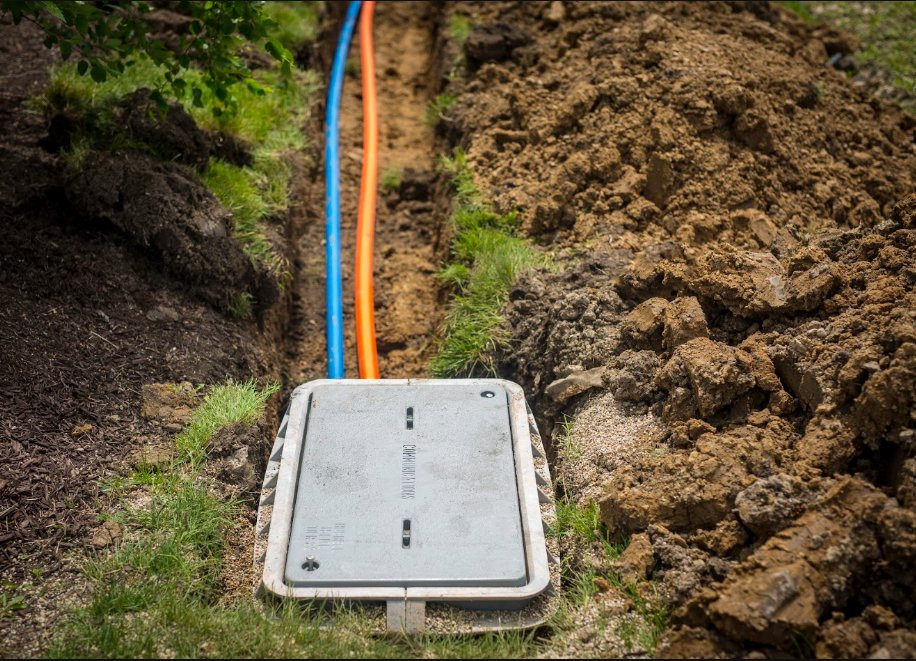

Underground broadband infrastructure needs more than enough space to house cable, slack, splices, and other network components. Every handhole also needs the structural capacity to handle the forces that its installation environment can place on the enclosure and cover. Polymer concrete and composite products give network designers strong options, but material type alone doesn’t determine whether an enclosure can support a particular application. Understanding load ratings, site conditions, product construction, and long-term network requirements helps project teams make a more informed selection.
Load requirements can change significantly between a protected green space, a pedestrian area, a roadside location, and a site where maintenance vehicles may travel. Contractors who choose an enclosure based only on dimensions or material can overlook the loads that the finished installation may encounter. A careful comparison should start with the actual placement environment and then move toward material characteristics, tested performance, installation needs, and lifecycle demands. This approach helps broadband teams protect buried infrastructure while avoiding unnecessary cost and complexity. Millennium Broadband Solutions goes into detail about polymer concrete vs. composite handhole load ratings.
What Handhole Load Ratings Actually Mean
A load rating communicates how an underground enclosure system performs under specified structural testing conditions. Project teams use these ratings to evaluate whether a handhole and its cover match the expected demands of a particular placement area. Industry standards give manufacturers, engineers, and network owners a consistent framework for evaluating products rather than relying on general terms such as heavy duty or high strength. The Society of Cable Telecommunications Engineers maintains an ANSI-accredited standards program that develops technical specifications for broadband infrastructure and equipment.
Engineers should consider the complete enclosure assembly when reviewing load performance because the body, cover, frame, hardware, and surrounding installation all contribute to field performance. A strong enclosure body cannot compensate for a cover that fails to meet project requirements, and a high-capacity cover cannot correct poor site preparation. Teams should also distinguish between an enclosure’s tested rating and assumptions based on its appearance, weight, or material. Product documentation and project specifications should drive the final decision whenever load exposure creates a meaningful risk.

How Polymer Concrete Handholes Handle Loads
Polymer concrete combines aggregates with a polymer resin binder to create a dense, rigid enclosure material. Manufacturers can engineer these products to provide substantial structural strength while resisting many environmental conditions that underground telecommunications systems encounter. Their rigid construction can make polymer concrete handholes a practical choice for locations where project specifications call for substantial load performance. Broadband contractors often encounter these enclosures in outside plant applications that require dependable protection for cables, splices, and connection points.
The material’s stiffness helps the enclosure maintain its shape when surrounding soil and surface activity place stress on the structure. Polymer concrete products can also provide dimensional stability that supports secure covers and organized interior space throughout the service life of the installation. However, teams should never assume that every polymer concrete enclosure carries the same rating because manufacturers offer different product designs for different applications. Contractors need to verify the specific model, cover, dimensions, testing information, and stated application before ordering material.
How Composite Handholes Approach Structural Performance
Unlike polymer concrete, composite handholes use engineered materials and structural designs that can provide significant strength without relying on the density of traditional concrete-based products. Manufacturers can use reinforced polymers, molded structures, ribs, wall geometry, and other design features to achieve targeted performance characteristics. This construction can reduce enclosure weight, which may simplify transportation, staging, and handling on projects with large quantities of access points. Lighter components can prove especially useful on rural broadband builds where crews move repeatedly between widely separated installation locations.
Composite construction doesn’t automatically mean a lower load capability, just as polymer concrete doesn’t automatically guarantee a higher one. The specific engineering behind the enclosure determines how effectively it handles vertical and lateral forces under the manufacturer’s stated conditions. Teams therefore need to compare verified product ratings instead of making a selection based on material category alone. That distinction keeps procurement decisions tied to measurable project requirements rather than assumptions about how a material should perform.
Polymer Concrete vs. Composite: Selection Factors
A direct comparison starts with load requirements, but experienced broadband teams look beyond a single rating. Enclosure weight, handling requirements, soil conditions, drainage, cover construction, installation procedures, and future access can all influence the best choice. The right product should support the network’s physical requirements without creating unnecessary challenges for field crews. Project planners should evaluate the complete installation rather than treating the handhole as an isolated component.
Factors to compare include:
- Required load rating for the planned placement area
- Manufacturer testing and applicable product specifications
- Enclosure and cover weight for field handling
- Soil stability and expected lateral pressure
- Drainage and groundwater conditions
- Frequency of technician access
- Cover security and hardware requirements
- Interior space for cable, slack, and splicing
- Long-term maintenance and expansion plans

Why Installation Location Drives Load Requirements
Placement represents one of the most important considerations when choosing utility hand holes for a broadband project. An enclosure located well outside anticipated vehicle paths faces different demands than one positioned near a roadway, driveway, parking area, or service access point. Even when plans show a low-risk location, teams should consider how property owners, utility crews, landscaping contractors, or maintenance vehicles may use the site later. Future surface activity can change the forces that an enclosure encounters long after the fiber build reaches completion.
Project teams should identify pedestrian, incidental vehicle, and other potential loading conditions during design instead of waiting until crews reach the site. Engineers can then specify an enclosure and cover assembly that matches the intended placement and applicable project requirements. This planning also reduces field substitutions, which can create delays when crews discover that stocked materials don’t match the actual installation environment. Accurate site information makes load-rating decisions easier for engineering, purchasing, warehouse, and construction teams alike.
Millennium Broadband Solutions supports ISPs, contractors, and broadband teams with materials and project guidance across network construction, including rural and new-build deployments. Working with a partner like us that understands outside plant construction can help teams coordinate enclosure requirements with conduit, fiber, installation equipment, storage, and other project needs. A broader perspective can simplify procurement and keep materials aligned with engineering and field conditions as a project moves from planning into construction. Contact Millennium Broadband Solutions to discuss handhole options and identify products that fit the load, installation, and long-term access requirements of your next broadband build.