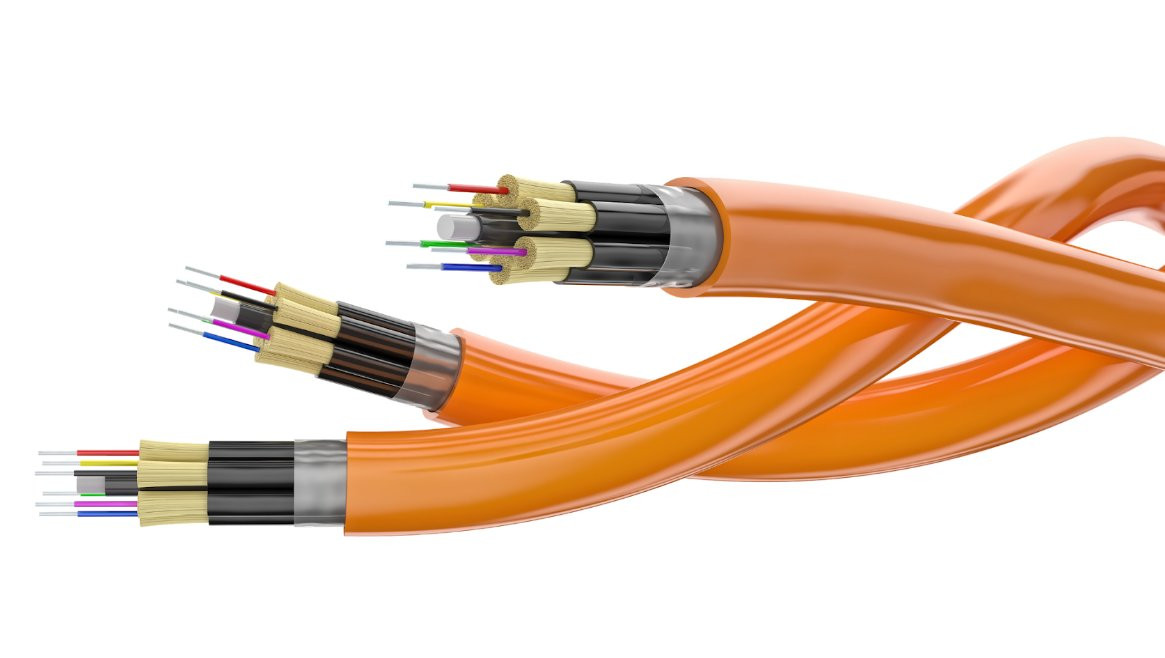
Micro-duct installations give broadband construction teams an efficient way to route fiber while maintaining flexibility for future network expansion. However, successful cable installation requires more than connecting a compressor and pushing air through the duct at maximum pressure. Crews must manage air pressure, airflow, cable speed, duct conditions, and equipment settings as one coordinated system.
Careful PSI management helps installers move cables efficiently while protecting the duct, fiber, fittings, and installation equipment. Millennium Broadband Solutions discusses managing air pressure PRI for micro-duct installations and why this process makes a significant difference.
Why Air Pressure Matters During Micro-Duct Installation
A fiber blowing system uses compressed air to carry cable through a micro-duct while the machine mechanically feeds the cable forward. The air reduces resistance along the route and supports cable movement over distances that manual pushing cannot efficiently achieve. When crews establish appropriate pressure and airflow, the machine can maintain steady progress without placing unnecessary mechanical force on the cable. Poor pressure management can create inconsistent movement, excessive resistance, or installation delays.
More pressure doesn’t automatically produce a better installation because the entire system has practical operating limits. Excessive pressure can stress connectors, seals, duct components, and other parts of the installation system. Insufficient pressure can prevent the airflow from adequately supporting the cable, forcing the machine to rely more heavily on mechanical pushing force. Crews should therefore treat PSI as an adjustable installation variable rather than a setting that they simply maximize.
Understand the Difference Between PSI and Airflow
Installers should distinguish pressure from airflow because these measurements describe different characteristics of compressed air. PSI measures pressure, while airflow commonly measures the volume of air that the compressor delivers over a specific period. A compressor may reach a high pressure rating without supplying enough air volume for a particular duct and cable combination. Effective cable blowing depends on having equipment that can provide suitable pressure and airflow for the complete installation setup.
Micro-duct size plays an important role because larger internal spaces generally require greater air volume to establish useful airflow along the route. Long runs can also increase system demands as friction, fittings, bends, and other conditions influence pressure and airflow. Crews should review the blower, compressor, duct, cable, and connector specifications together instead of selecting equipment around one pressure number. This system-level approach helps teams avoid mismatches that could limit installation performance after work begins.

Evaluate the Micro-Duct Route Before Setting Pressure
Route conditions directly influence the amount of resistance the cable encounters during installation. A relatively straight micro-duct run can behave very differently from a route containing repeated bends, elevation changes, couplers, or transitions. Crews should review route drawings when available and inspect accessible portions of the installation before setting up the blowing equipment. This preparation can identify potential restrictions before compressed air and cable enter the duct.
Teams should also confirm that the micro-duct remains clean, continuous, and suitable for cable installation. Dirt, water, construction debris, damaged sections, poor connections, and unexpected obstructions can increase resistance regardless of compressor output. Increasing pressure cannot reliably correct a physical restriction, and doing so may place additional stress on the installation system. Testing duct integrity and confirming route readiness can save significant time once cable installation starts.
Important pre-installation checks typically include:
- Confirm the micro-duct size and pressure rating.
- Verify cable diameter and manufacturer requirements.
- Check compressor pressure and airflow capacity.
- Inspect couplers, seals, and fittings for proper installation.
- Confirm the route doesn’t contain known obstructions.
- Review bends, elevation changes, and overall route length.
- Test duct continuity and integrity when the project requires it.
- Verify blower settings and emergency stop functions.
Balance Pressure With Mechanical Feed Force
The blowing machine and compressed air system need to work together throughout the installation. Airflow can carry and support the cable, while the machine provides controlled forward movement at the duct entrance. If airflow contributes too little, the machine may need to push harder, increasing the possibility of cable buckling or other installation problems. Proper balance allows the cable to advance without relying excessively on either mechanical force or compressed air.
Machine setup also affects how effectively the system converts compressor output into cable movement. Crews should configure belts, rollers, seals, guides, and cable feed settings according to equipment and cable requirements. Worn components or incorrect adjustments can create slipping, inconsistent feed, or unnecessary stress even when the compressor performs correctly. Teams using a fiber blowing machine rental should confirm that the selected equipment matches the duct and cable specifications before the scheduled installation.
Account for Temperature and Field Conditions
Outdoor broadband construction rarely takes place under ideal laboratory conditions. Temperature can influence compressor performance, equipment behavior, duct characteristics, and the way crews manage the installation. Moisture, contamination, and changing weather can also introduce complications into the duct or compressed air system. Teams should consider current site conditions instead of relying exclusively on settings that worked during a previous project.
Cold-weather work deserves careful planning because equipment and materials may respond differently as temperatures fall. Hot conditions can create another set of challenges for compressors and crews working through long installation periods. Installers should follow the operating temperature ranges and environmental requirements supplied by equipment, cable, and duct manufacturers. Field experience matters, but crews should use that experience alongside documented specifications rather than in place of them.

Choose Equipment Around the Complete Installation
Successful micro-duct installation starts well before crews connect a compressor to a blowing machine. Project teams need equipment that fits the cable diameter, duct dimensions, route length, jobsite conditions, and expected installation demands. Selecting components as a coordinated system can prevent situations where one piece of equipment limits the entire operation. It can also help crews arrive with the compressor capacity, accessories, seals, and machine configuration necessary for the work.
Rental equipment can provide practical flexibility when contractors encounter changing project requirements or specialized installation needs. Teams can access equipment for a specific build without committing capital to machinery that may sit unused between projects. Rental planning also allows contractors to match equipment more closely to different duct and cable configurations as workloads change. The right rental partner should help teams evaluate project requirements rather than simply provide whichever machine happens to be available.
Build Better Micro-Duct Installations Through Pressure Control
Millennium Broadband Solutions supports ISPs, contractors, and broadband construction teams with equipment and solutions for network deployment projects across the United States. Millennium can help your team evaluate equipment needs around the realities of each project, from installation requirements and construction schedules to changing equipment demands in the field. Access to properly matched equipment can help contractors keep crews productive without purchasing specialized machinery for every type of build. Contact Millennium today to discuss equipment options or learn more about managing air pressure PS for micro-duct installations.