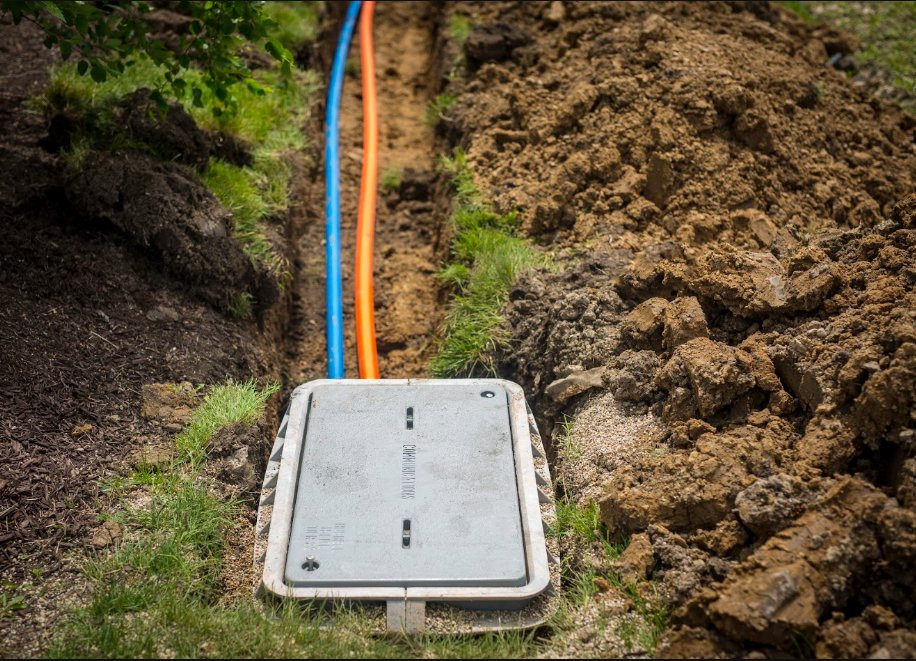
Installing broadband cable requires careful control from the reel to the final placement point. As cable moves through conduit or along a planned route, pulling forces can introduce rotation that places unnecessary stress on the cable. Installers need the right equipment and accurate pulling practices to manage those forces without compromising the product they are placing. Swivel pulling eyes provide one practical way to control rotation and support a smoother installation. Millennium Broadband Solutions explains how to use swivel pulling eyes to prevent cable twist.
Understand Why Cable Twists Happen
Cable can encounter rotational forces at several points during a pull. Reel movement, bends in the route, pulling equipment, and the cable itself can all contribute to twisting as the line advances. That rotation may continue through the pulling assembly when nothing allows the components to turn independently. Longer or more complicated routes can make careful cable management even more important.
Installers should consider the complete pulling path before work begins. Conduit bends, elevation changes, access points, and expected pulling tension all affect how the cable moves. Crews can then select equipment that suits the cable and installation rather than relying on a generic setup. Good preparation reduces surprises after the pull starts.
Know What a Swivel Pulling Eye Does
A swivel creates a rotating connection within the pulling assembly. This movement can prevent rotational force from transferring directly through the connection and into the cable. The pulling line can rotate as conditions change while the swivel isolates the cable from that movement. This simple mechanical function can make a meaningful difference during demanding installations.
The pulling eye provides a secure connection point for the cable or pulling assembly, depending on the equipment and application. When paired with an appropriate swivel, it allows crews to pull while accommodating rotation between components. Installers must still choose hardware that matches the cable, load, and installation method. A swivel cannot compensate for incorrectly sized equipment or poor pulling practices.
Select Hardware for the Planned Pull
Start with the cable manufacturer’s specifications and the requirements of the installation. Crews need to consider cable diameter, allowable pulling tension, connector compatibility, and the expected forces along the route. Pulling hardware should have appropriate load ratings for the work rather than merely fitting together physically. Every component in the assembly contributes to overall pulling performance.
Inspect pulling eyes, swivels, ropes, grips, and connecting hardware before use. Look for deformation, excessive wear, damaged threads, corrosion, or other conditions that could affect performance. Remove questionable equipment from service until qualified personnel can evaluate it. Millennium recommends starting with sound hardware to eliminate a preventable source of trouble during the pull.
Connect the Swivel Correctly
The exact connection method depends on the pulling eye, swivel design, cable, and other equipment in use. Crews should follow manufacturer instructions for each component instead of improvising a connection in the field. Hardware must fit and secure properly so that it can maintain alignment under load. An improperly assembled connection may compromise the benefits the swivel should provide.
Furthermore, check that the swivel can rotate freely before applying pulling force. Binding, contamination, or damaged components can restrict movement and prevent the swivel from functioning as intended. The connection should also remain streamlined enough to move through the planned pathway without unnecessary snagging. A final hands-on inspection before the pull gives crews an opportunity to catch simple assembly problems.

Plan the Pulling Route Before Starting
Walk the installation route whenever conditions allow. Identify bends, conduit entrances, intermediate access points, elevation changes, and areas where the cable may encounter additional resistance. Crews can use that information to determine equipment positioning and communication needs. Route planning also helps installers anticipate locations that require closer observation.
Complex projects may need more than pulling hardware alone. Contractors can use appropriately selected cable pulling machine rentals when a project requires controlled mechanical assistance without adding specialized equipment permanently to their fleet. Millennium Broadband Solutions offers rental equipment alongside the materials and infrastructure support needed for broadband deployment. Choosing equipment around the actual project can help crews prepare for pulling demands and site logistics.
Keep Pulling Force Controlled
A swivel manages rotation, but it doesn’t eliminate limits on pulling tension. Crews still need to keep forces within the cable manufacturer’s specifications and the ratings of the pulling equipment. Excessive tension can damage cable even when every connection in the assembly rotates correctly. Installers should therefore treat rotation control and tension control as separate parts of the same pulling plan.
Consistent movement can also help crews maintain control. Sudden starts, abrupt stops, and uncontrolled changes in force may place unnecessary stress on the cable and hardware. Operators should coordinate the pulling machine with personnel monitoring the reel and route. Clear communication lets the crew respond quickly when resistance changes.
Watch the Cable Throughout the Pull
It’s not safe to assume that a properly assembled swivel makes the rest of the pull automatic. Personnel should observe cable payout and accessible sections of the route for unusual movement, resistance, or visible twisting. Changes can signal a developing problem before it becomes severe. Stopping early often gives crews more options than continuing against unexplained resistance.
Assigning responsibilities before the pull helps everyone know what to monitor. A basic plan may include the following steps:
- One person responsible for pulling-equipment operation
- Personnel monitoring cable payout at the reel
- Crew members watching critical bends or access points
- A clear method for communicating stop commands
- Agreed procedures for responding to increased resistance
- A final inspection after cable placement

Finish With a Post-Pull Inspection
Once the cable reaches its destination, crews should inspect accessible cable and pulling hardware before moving to the next installation stage. Look for signs of abnormal twisting, jacket damage, excessive stress, or hardware problems that developed during the pull. Any concern deserves evaluation before crews terminate or place the cable into service. Post-pull checks provide another opportunity to protect the quality of the completed infrastructure.
Successful broadband deployment depends on many small decisions made before and during installation. Properly selected swivel pulling eyes can help crews prevent cable twists, but they work best as part of a complete pulling strategy that includes route planning, controlled force, suitable equipment, and attentive personnel. Millennium Broadband Solutions supports broadband projects nationwide with infrastructure materials, equipment rentals, storage, financing solutions, and additional project resources. Connect with Millennium to find the equipment and support needed for an upcoming aerial or underground broadband deployment.