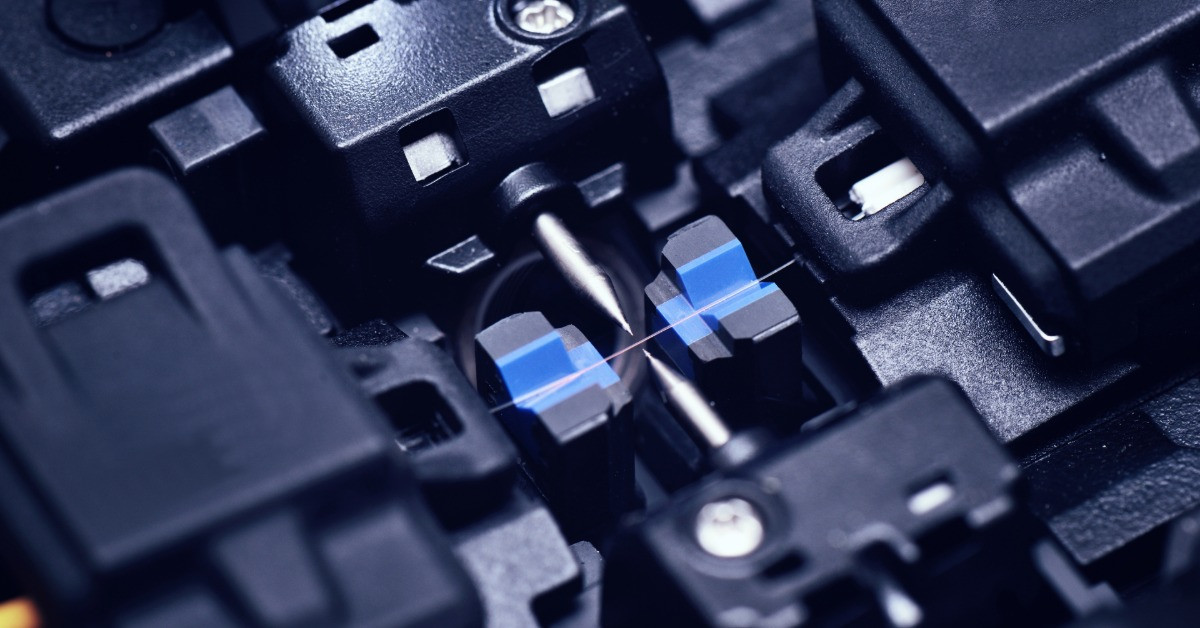
Fiber optic networks depend on precise splicing to achieve strong performance and long-term reliability. Even the most advanced fusion splicers require calibration to maintain consistent results in changing field conditions. Temperature, altitude, humidity, and electrode wear can all affect arc performance during splicing. Field calibration of arc fusion parameters helps technicians maintain low-loss splices and avoid costly network issues.
As broadband deployments continue expanding across rural and developing markets, contractors need dependable processes that support quality installations. Millennium Broadband Solutions supports network construction projects nationwide through equipment rentals, materials, financing assistance, storage solutions, and broadband infrastructure expertise. We help ISPs and contractors complete projects efficiently while reducing delays and operational challenges. Our full-service approach supports broadband construction from feasibility planning through final deployment. Review our guide for field calibration of arc fusion parameters as a starting point for support and ongoing service.
Understanding Arc Fusion Parameters
Arc fusion parameters control the electrical discharge that melts fiber ends together during the splicing process. These settings determine arc intensity, arc duration, and other characteristics that influence splice quality. Manufacturers develop baseline settings for common fiber types and operating conditions. Field environments often require adjustments beyond factory defaults.
A fusion splicer uses calibrated arc energy to soften glass fibers and create a permanent bond. Too much energy can deform the fiber and increase splice loss. Too little energy may produce weak connections or incomplete fusion. Proper calibration ensures the splicer delivers the exact amount of energy required for optimal results.
Why Field Calibration Matters
Fiber technicians rarely work in controlled laboratory environments. Projects frequently take place in remote rural areas, construction zones, utility corridors, and outdoor installations. Environmental conditions can change significantly throughout a single workday. These fluctuations affect arc performance and overall splice consistency.
Field calibration helps technicians compensate for changing conditions before they impact network quality. Regular calibration reduces splice loss variation and minimizes the need for rework. Consistent splicing also accelerates project completion and improves customer satisfaction. Teams that calibrate regularly often experience fewer troubleshooting issues after network activation.
Environmental Factors That Affect Arc Performance
Several environmental variables influence how a fusion splicer performs in the field. Understanding these factors helps technicians recognize when calibration becomes necessary. Modern fusion splicers often include automatic calibration functions, but operators still need to understand the underlying influences. Awareness improves decision-making and supports better results.
Common environmental factors include:
- Changes in elevation and atmospheric pressure.
- Extreme temperatures during outdoor work.
- High humidity levels.
- Dust and airborne contaminants.
- Wind exposure near splice locations.
- Moisture buildup around equipment.
Each factor can alter arc characteristics and affect how fiber glass responds during fusion. Calibration can compensate for these changes and maintain acceptable splice performance standards.

Recognizing Signs That Calibration Is Needed
Technicians should monitor splice performance continuously throughout a project. Certain indicators often suggest that calibration should occur before work continues. Ignoring these warning signs can lead to increased attenuation and reduced network reliability. Early intervention saves time and resources.
Rising splice loss measurements frequently indicate calibration issues. Unexpected changes in estimated splice quality also deserve attention. Frequent splice failures may signal electrode wear or arc instability. Visible abnormalities during fiber alignment can provide additional clues that calibration is necessary.
Preparing Equipment for Accurate Calibration
Proper preparation improves calibration accuracy and prevents misleading results. Technicians should inspect equipment thoroughly before beginning the calibration process. Clean equipment creates a stable operating environment and supports reliable measurements. Maintenance and calibration work together to maximize splicer performance.
Fiber holders, V-grooves, and electrode areas require careful cleaning before calibration begins. Dust particles can interfere with alignment and arc stability. Technicians should inspect electrodes for signs of contamination or excessive wear. Replacing worn components before calibration often produces better outcomes.
Battery charge levels also affect equipment operation during field work. Technicians should ensure adequate power before performing calibration procedures. Stable power supports consistent arc generation throughout the process. Maintaining equipment readiness contributes to more predictable splicing performance.
Best Practices for Arc Calibration in the Field
Successful calibration requires more than simply following on-screen prompts. Technicians should adopt repeatable procedures that support accuracy and consistency. Standardized workflows help crews maintain quality regardless of project location. These practices reduce variability and improve operational efficiency.
Technicians should perform calibration on a stable work surface whenever possible. Shielding the splicer from wind and direct environmental exposure improves repeatability. Recording calibration events provides valuable maintenance history for equipment tracking. Documentation also identifies recurring issues before they affect project schedules.
Field crews benefit from developing calibration checklists as part of their quality assurance programs. These checklists promote accountability and reduce the risk of overlooked steps. Consistent processes help organizations maintain installation standards across multiple teams. Strong quality control contributes directly to network performance and customer satisfaction.
Equipment Considerations for Large Deployment Projects
Large-scale broadband builds often involve multiple crews operating across wide geographic areas. Standardized equipment management becomes essential in these environments. Calibration procedures should remain consistent regardless of location or technician experience. Uniform practices maintain network quality across entire service areas.
Many contractors use equipment rental programs to access specialized tools without major capital expenditures. A quality fiber fusion splicer rental solution allows teams to scale resources based on project demand. Rental equipment should always undergo inspection and calibration verification before deployment. This approach can maintain performance expectations throughout the project lifecycle.

Millennium: The Right Partner for Broadband Solutions
Successful broadband deployments require more than technical expertise alone. Contractors and network operators benefit from partners who understand every phase of infrastructure construction. Access to equipment, materials, planning support, and operational guidance helps teams overcome challenges efficiently. Strong partnerships often lead to faster project completion and better network outcomes.
Millennium Broadband Solutions supports broadband initiatives across the United States through a comprehensive portfolio of services and resources. We assist contractors and ISPs with equipment rentals, broadband materials, infrastructure planning, and project support designed to keep builds moving forward. Our expertise helps organizations navigate complex deployment requirements while maintaining quality standards. Our commitment to practical solutions makes us a valuable resource for broadband construction projects nationwide.
Field calibration of arc fusion parameters remains a critical component of successful fiber optic construction. Environmental conditions, equipment wear, and operational demands all influence arc performance in the field. Regular calibration helps technicians maintain low-loss splices, improve consistency, and reduce costly rework. Organizations that prioritize calibration practices position their networks for stronger performance and long-term reliability.