Aerial broadband construction demands careful planning, quality materials, and informed product selection from the beginning of every deployment. Choosing the correct aerial drop cables affects installation speed, network reliability, maintenance costs, and long-term customer satisfaction. Every environment presents different challenges that require contractors and internet service providers to evaluate cable construction, span length, weather exposure, and installation methods before making a decision. Teams that understand these factors complete projects more efficiently while building networks that continue performing for years.
Rural broadband deployments often introduce harsher weather and fewer opportunities for quick repairs. Those realities make cable selection one of the most important decisions during project planning. The wrong cable can increase maintenance expenses, delay installations, and reduce network performance. The right solution supports faster construction while protecting the network investment over its entire service life.
Millennium Broadband Solutions supports broadband projects nationwide by helping providers evaluate feasibility, secure financing, source materials, rent specialized equipment, and complete aerial and underground fiber deployments. Our comprehensive approach helps contractors and ISPs build reliable broadband infrastructure, particularly in rural and underserved communities where dependable connectivity creates lasting value. Below, we’re highlighting how choosing the correct aerial drop cables for a project can make or break outcomes and timelines.
Understand the Requirements of the Network
Every successful aerial installation begins with understanding the project’s technical requirements. Engineers should review the network design, expected subscriber density, terrain, and existing utility infrastructure before selecting cable products. These details determine which cable construction delivers the best balance between durability and installation efficiency.
Route length also influences cable selection. Short residential spans create different demands than long feeder routes between utility poles. Installers should calculate expected mechanical loads before choosing cable specifications. Careful planning reduces unexpected installation challenges while extending the service life of the completed network.
Environmental conditions deserve equal attention during planning. Coastal humidity, freezing temperatures, high winds, and heavy UV exposure all affect cable performance differently. Matching cable construction to the installation environment protects the network from premature deterioration.

Evaluate Span Length and Mechanical Loading
Span length directly affects cable tension throughout the installation. Longer spans create greater mechanical stress and require stronger support structures. Selecting cable designed for the expected loading conditions prevents excessive sag while maintaining proper clearances above roadways and property.
Pole spacing varies significantly between rural and suburban deployments. Rural routes frequently feature longer distances between poles, increasing the need for cables that tolerate higher tensile forces. Pole spacing on the main feeder line doesn't determine a drop’s span length. A drop's span runs from the pole to the house, which is typically much shorter than the spacing between poles on the feeder run — and that changes how you evaluate tension and cable spec.
Wind and ice accumulation also increase mechanical loading. Seasonal weather can dramatically increase cable weight, placing additional stress on messenger components and attachment hardware. Planning for such conditions can prevent service interruptions during severe weather.
Match Cable Construction to the Installation Environment
Different aerial cable constructions address different deployment scenarios. Self-supporting cables simplify many installations by eliminating separate messenger wire requirements.
Installers should also consider wildlife activity and vegetation. Tree branches, birds, and rodents can introduce physical damage that shortens cable life. Selecting rugged jacket materials can reduce maintenance requirements in challenging environments.
Sunlight exposure presents another important consideration. Continuous ultraviolet exposure gradually degrades lower-quality materials. High-quality jackets designed for outdoor service provide better long-term protection and reduce replacement costs.
Consider Installation Efficiency Before Construction Begins
Material selection influences labor efficiency throughout the project. Contractors benefit from products that handle easily, install consistently, and reduce unnecessary adjustments during construction. Efficient installations lower labor costs while helping projects remain on schedule.
Cable flexibility plays an imperative role during routing around poles and hardware. Installers can complete transitions more smoothly when cable construction accommodates expected bending requirements. Proper handling also protects the internal fibers throughout installation.
Project managers should coordinate equipment availability before work begins. Specialized pulling equipment, aerial lifts, trailers, and testing instruments all contribute to efficient deployment. Working with a single broadband solutions provider simplifies logistics while reducing project delays.
Evaluate the following factors before selecting aerial drop cables:
- Expected span lengths between poles
- Maximum wind and ice loading
- UV exposure throughout the service area
- Messenger or self-supporting construction requirements
- Local utility attachment standards
- Installation equipment availability
- Future maintenance accessibility
- Overall project budget and schedule
Plan for Future Network Expansion
Broadband infrastructure continues evolving as communities grow and bandwidth requirements increase. Cable selection should support future expansion as communities grow and bandwidth requirements increase. Forward-thinking planning reduces disruption when providers extend service to additional customers.
Many rural projects begin with limited subscriber counts before expanding over time. Choosing products that integrate smoothly with future construction can simplify later upgrades. Expansion becomes more efficient when the original infrastructure supports additional capacity.
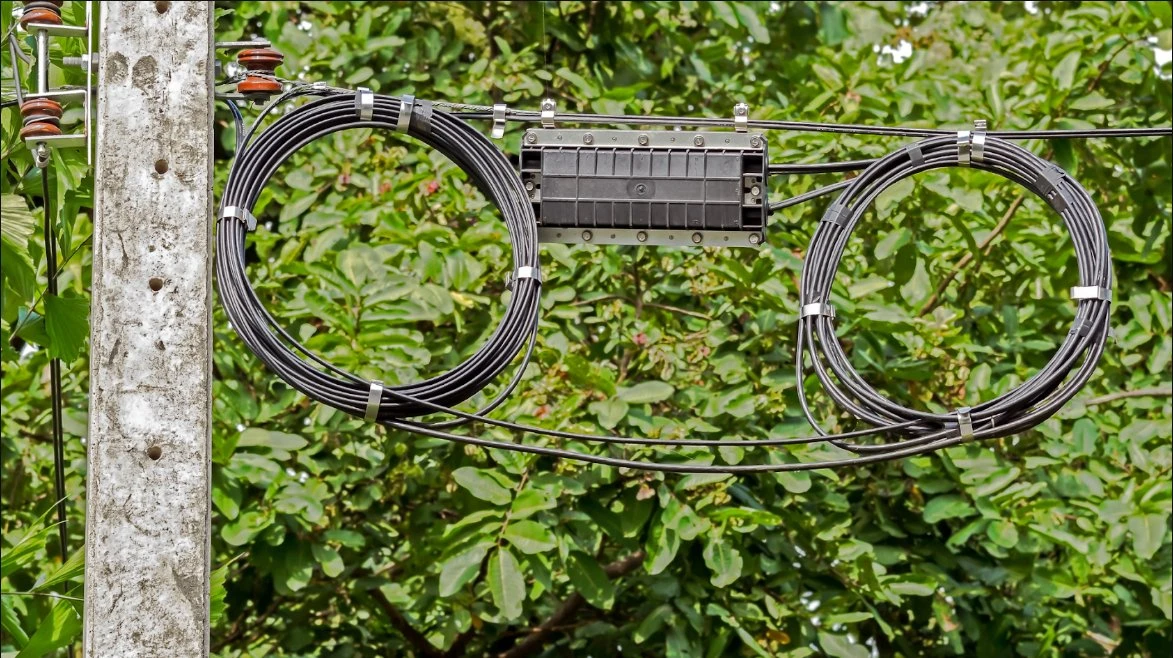
Infrastructure planning also includes access for future maintenance. Proper slack storage, attachment spacing, and route documentation allow technicians to perform upgrades without unnecessary service interruptions. Good planning protects current and future network investments.
Work With a Knowledgeable Broadband Partner
Product knowledge becomes increasingly valuable as network projects grow in complexity. Experienced broadband partners help contractors evaluate project requirements before recommending materials and equipment. That guidance reduces uncertainty while helping teams select products that match specific installation conditions.
Millennium Broadband Solutions supports projects beyond material sourcing alone. The company assists with broadband feasibility studies, engineering support, financing options, equipment rentals, contractor recommendations, storage solutions, and complete infrastructure planning for aerial and underground deployments. Our nationwide capabilities allow customers to streamline projects through a single experienced partner focused on broadband construction success.

Choose Products That Support Reliable Customer Connections
Every broadband project ultimately serves the end consumer. Reliable infrastructure begins with selecting aerial components designed for the environment, installation method, and long-term operating conditions. Careful planning allows providers to minimize maintenance while delivering dependable connectivity that communities rely upon every day.
Contractors should never treat cable selection as a routine purchasing decision. Each project presents unique engineering challenges that deserve careful evaluation before construction begins. Thoughtful planning leads to smoother installations, improved network performance, and lower operating costs throughout the system’s lifecycle.
Whether expanding service into rural communities or upgrading aging infrastructure, selecting the right fiber optic drop cable creates the foundation for dependable broadband performance. Working with an experienced partner like Millennium Broadband Solutions gives providers access to the materials, equipment, expertise, and support needed to complete projects efficiently while preparing networks for future growth. Our integrated approach helps contractors move confidently from initial planning through final deployment while building broadband infrastructure that serves customers for years to come. Partner with us today to learn more about choosing the correct aerial drop cables for a project and broadband network completion.