Broadband construction projects rarely move from start to finish without unexpected challenges. Contractors often uncover damaged HDPE conduit after directional drilling, excavation, utility strikes, or years of environmental wear. Fast, dependable repairs keep fiber deployment schedules on track while protecting valuable infrastructure investments. Millennium Broadband Solutions helps contractors identify the right repair materials, equipment, and planning strategies to complete projects efficiently across the country.
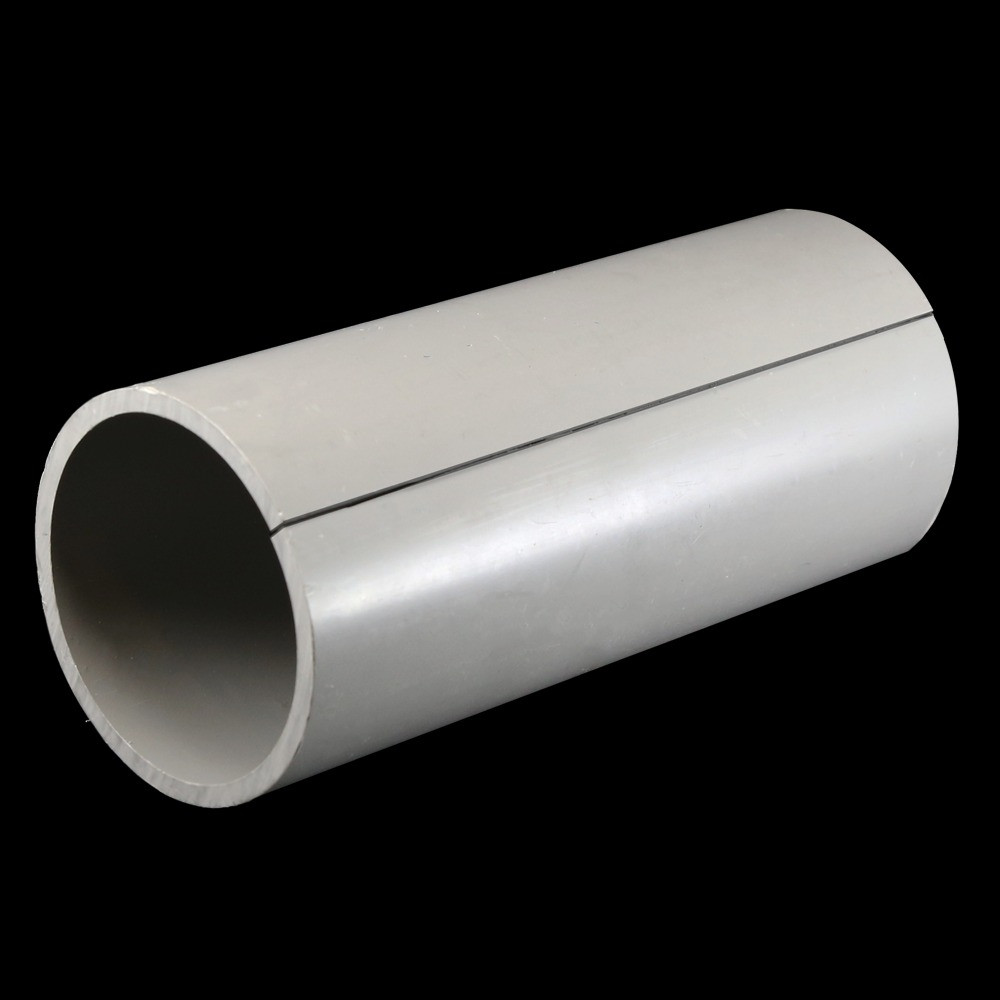
PVC split duct provides a practical repair solution when replacing an entire conduit run would waste time and money. The design allows crews to install protective conduit around existing cable without disconnecting or removing the network. This approach reduces labor while restoring protection against moisture, soil movement, and future damage. Contractors can avoid costly delays and maintain reliable broadband infrastructure when they understand how to use this specific solution. Take a look at using PVC split duct to repair HDPE runs on broadband projects.
Why HDPE Conduit Requires Reliable Repair Methods
High-density polyethylene conduit has become a standard choice for underground fiber installations because it resists corrosion, chemicals, and moisture. It also offers excellent flexibility, making it ideal for directional drilling and long underground runs. Even durable materials can suffer damage during utility work, road expansion, landscaping, or natural ground movement. Every damaged section creates a potential failure point that deserves immediate attention.
Leaving damaged conduit exposed invites water intrusion, soil contamination, and mechanical damage to fiber cables. Small cracks often become larger failures as freeze-thaw cycles and heavy traffic place additional stress on underground infrastructure. Contractors must restore protection before these issues affect network performance. Fast repairs reduce service interruptions and preserve long-term reliability.
Replacing an entire conduit section often requires additional excavation and significant labor. That process increases project costs while extending downtime. Many repair situations benefit from targeted solutions that restore conduit integrity without disturbing surrounding infrastructure. PVC split duct serves exactly that purpose.
How PVC Split Duct Works
Unlike traditional conduit that requires cable installation before assembly, split duct opens along its length. Installers place each half around existing conduit or cable before securing the sections together. This design eliminates the need to remove fiber or disconnect active services during repairs. Contractors complete repairs much faster with less disruption.
The rigid PVC construction adds structural protection around damaged HDPE sections. Once installed correctly, the repair shields vulnerable areas from external pressure, shifting soil, and accidental impacts. Many projects use adhesive, couplings, or mechanical fasteners depending on installation requirements. Proper installation creates a durable enclosure around compromised conduit.
Common Situations Where Split Duct Repairs Make Sense
Not every damaged conduit requires complete replacement. Many field conditions favor localized repairs that restore protection while minimizing excavation. Contractors evaluate the severity of damage before selecting the best repair method. PVC split duct frequently becomes the preferred option in several situations.
Typical repair scenarios often include:
- Accidental conduit strikes during excavation
- Crushed conduit caused by heavy equipment
- Surface cracking from soil movement
- Damage near existing utility crossings
- Localized repairs during maintenance work
- Emergency restoration following utility conflicts

Installation Best Practices for Long-Term Performance
Every successful repair begins with careful inspection of the damaged area. Contractors first determine whether the fiber cable remains intact and whether surrounding conduit still provides adequate structural support. Cleaning debris from the repair location ensures proper fit and secure installation. Preparation significantly affects repair quality.
Proper alignment remains equally important during installation. Installers should position both halves evenly around the damaged conduit before securing the assembly. Tight connections prevent soil intrusion while maintaining continuous protection along the repaired section. Consistent workmanship supports long-term durability.
Crews should also inspect adjacent conduit for additional damage before backfilling. Nearby cracks may indicate broader stress within the conduit run. Addressing multiple issues during one excavation reduces future maintenance costs. Thorough inspections improve the overall quality of underground infrastructure.
Protecting Fiber Networks During Emergency Repairs
Unexpected conduit damage often occurs after contractors complete the fiber installation. Active customers depend on uninterrupted network performance, making emergency repairs especially challenging. Contractors need repair methods that minimize service disruptions while protecting valuable fiber assets. PVC split duct provides a practical solution during these situations.
Because crews install the repair around existing conduit, they avoid unnecessary cable handling. Reduced cable movement lowers the risk of accidental fiber damage during repairs. Contractors also spend less time working around sensitive infrastructure. Faster repairs restore normal operations more quickly.
Supporting Rural Broadband Construction Projects
Many broadband expansion projects serve rural communities where existing infrastructure spans long distances between access points. Repairing damaged conduit quickly becomes essential because remote locations often require additional travel time, specialized equipment, and limited construction windows. Efficient repair methods keep deployment schedules moving. They also reduce unnecessary mobilization costs.
Millennium Broadband Solutions specializes in supporting broadband construction projects from planning through completion. The company helps contractors identify equipment, materials, financing options, and construction resources that fit each project’s unique requirements. This comprehensive approach simplifies complex infrastructure projects while reducing logistical challenges. Rural broadband providers benefit from experienced guidance throughout every phase of construction.

Selecting Quality Materials for Conduit Repairs
Repair quality depends heavily on material selection. Contractors should evaluate wall thickness, impact resistance, compatibility with existing conduit, and installation requirements before choosing repair products. High-quality materials improve installation efficiency and long-term durability. Inferior products often create additional maintenance problems later.
Environmental conditions also influence material selection. Freeze-thaw cycles, high groundwater levels, and heavy traffic loads place unique demands on repaired conduit sections. Contractors should match repair materials to expected field conditions whenever possible. Proper planning can reduce premature failures.
Compatibility with existing infrastructure remains another important consideration. Repair materials should integrate smoothly with current conduit systems while maintaining adequate protection around fiber cables. Consistent specifications simplify future maintenance work. Standardized materials also improve inventory management for contractors.
Millennium’s Closing Thoughts
Repairing damaged HDPE conduit quickly protects fiber networks while keeping broadband construction projects on schedule. PVC split duct offers contractors a practical solution that minimizes excavation, reduces service interruptions, and restores structural protection around existing conduit. When installed and repaired correctly, split duct PVC conduit delivers dependable performance without requiring cable removal, making it an efficient choice for many restoration scenarios.
Millennium Broadband Solutions supports contractors with the equipment, materials, planning expertise, and nationwide resources needed to complete broadband infrastructure projects successfully. Whether your team manages emergency conduit repairs, rural fiber deployments, or large-scale network expansions, partnering with an experienced broadband solutions provider reduces delays and improves long-term network performance. Contact Millennium Broadband Solutions to find the right repair products and project support for your next underground fiber installation.